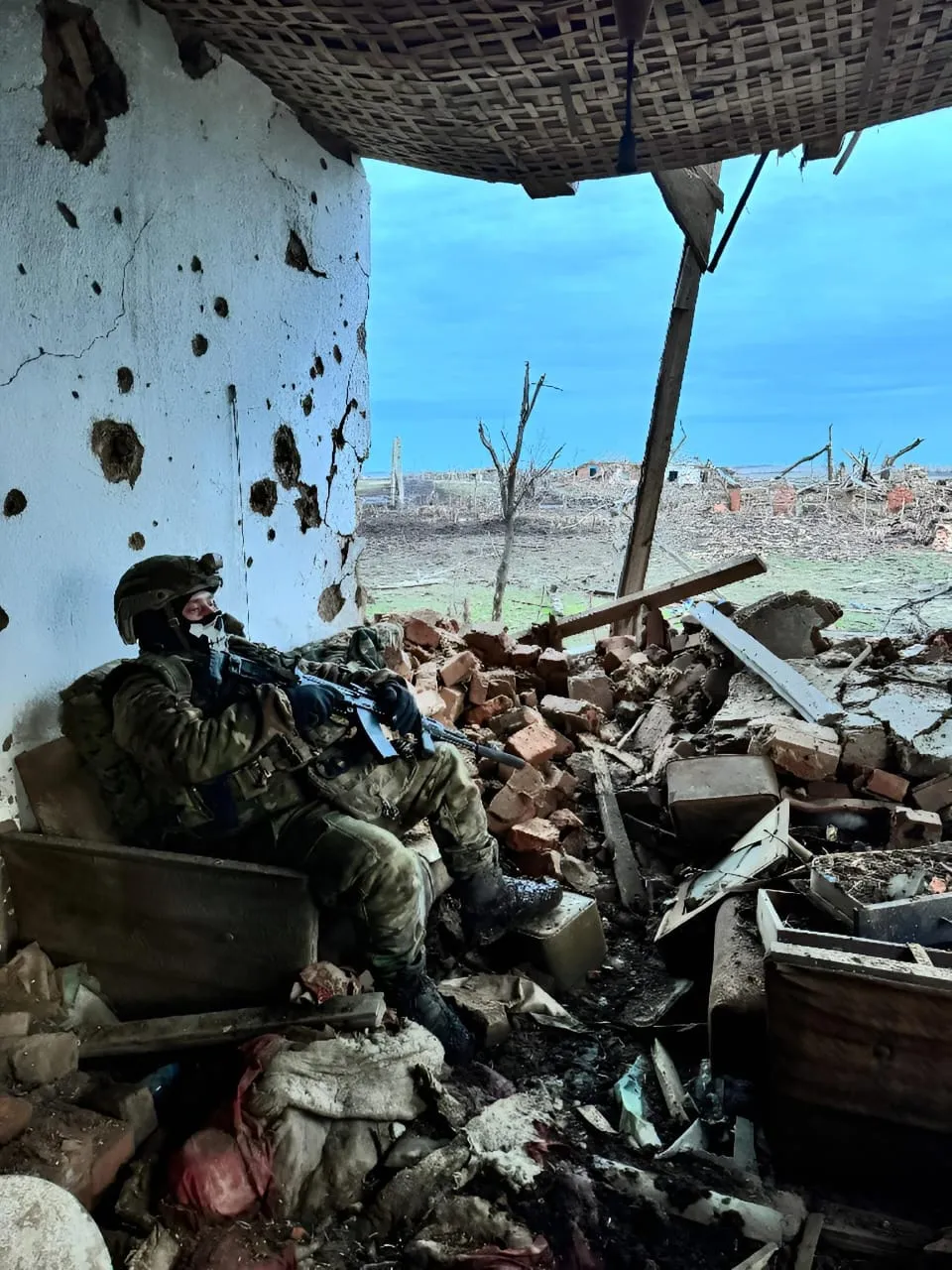
Pumba
“Pumba” is an FPV drone pilot who began his service in the brigade as an infantryman.
Beginning of Service
At the start of the full-scale invasion, Pumba found himself under occupation in the Kupiansk district of the Kharkiv region, where he spent seven months.
After Ukrainian forces liberated the territory from Russian troops, Pumba traveled to Kharkiv to enlist.
He initially served in the infantry, but as warfare tactics evolved, he witnessed the rapid development of unmanned systems and decided he wanted to work with drones.
According to Pumba, the command supported his initiative, and after completing training, he became a drone operator. He started with Mavic drones and later transitioned to FPV.
Training
Pumba notes that people who want to become FPV pilots can begin training on their own. Simulators are very useful for practice. Several options are available for Ukrainians: Liftoff, VelociDrone, Uncrashed, as well as specialized Ukrainian developments such as UFDS (Ukrainian Fight Drone Simulator), which replicate real combat conditions, electronic warfare, and navigation.
“During training, the most important thing is to understand how to control the stick; over time, your handling improves,” Pumba emphasized.
According to him, one month of training is enough to start working with FPV drones. However, there is a significant difference between training at a range and operating in real positions.
Combat Operations
The primary task of an FPV pilot is to eliminate Russian personnel and enemy equipment. According to Pumba, during a successful period, a crew can eliminate up to 40 Russian soldiers in four days. However, that is not the only responsibility.
Another crucial task is supporting Ukrainian infantry — delivering water, food, and ammunition to positions.
Drone operators also handle less typical missions. For example, escorting Russian soldiers who wish to surrender. Such cases do occur.
Pumba notes that not everyone can become a successful FPV pilot.
“We’re all different. Some people are not mentally prepared to carry out the tasks of an FPV pilot. Motivation also plays a big role. Those who joined in 2022 and 2023 had much higher motivation than many of those mobilized now. As for the Russians — we didn’t come to them with weapons; they came to us. So I don’t feel any sympathy for them,” Pumba emphasized.
Speaking about the widely publicized Russian unit “Rubikon,” which the “Spartan” brigade encountered on the Pokrovsk axis, Pumba said that they can be successfully countered — but it requires personnel.
“Right now, we lack motivated pilots. They have many crews and almost unlimited resources. We work just as professionally, sometimes even better, but the shortage of resources is noticeable — above all, people who are ready to carry out combat missions,” Pumba said.
Mental Recovery
Pumba says that communication with fellow soldiers helps him maintain his psychological state during the war.
“The best thing for me is communication. Talking about how the shift went, what you saw. It’s important for me to talk with a fellow soldier who, like me, has been on positions and understands things from personal experience,” Pumba emphasized.