SpartanBrigade

3rd Operational Brigade
named after Colonel Petro
Bolbochan of the National Guard of Ukraine

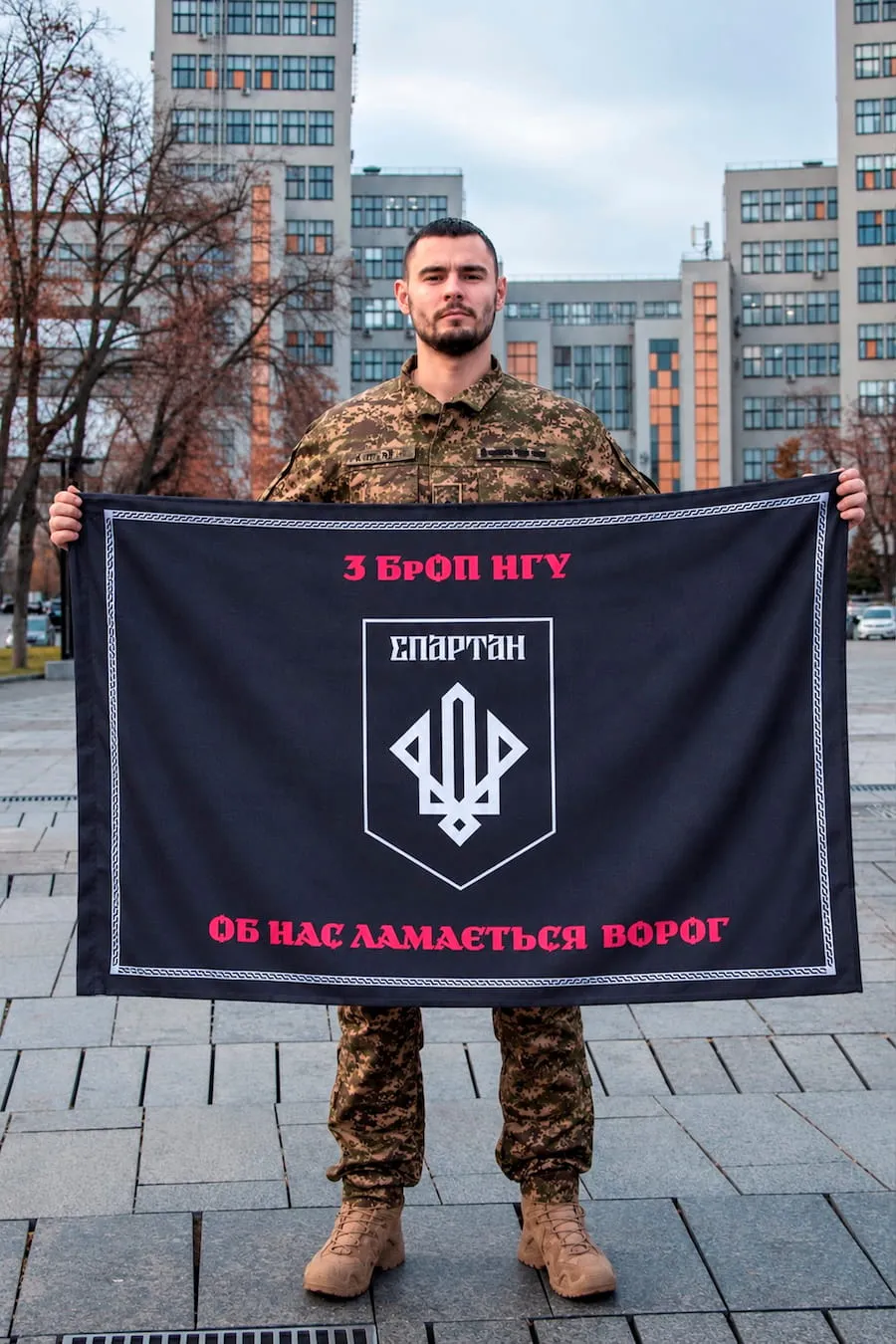
The enemy breaks against usThe enemy breaks against usThe enemy breaks against usThe enemy breaks against usThe enemy breaks against usThe enemy breaks against usThe enemy breaks against usThe enemy breaks against usThe enemy breaks against usThe enemy breaks against us

About the Brigade

The brigade was formed in the city of Kharkiv at the beginning of the Russian-Ukrainian war in 2014. The soldiers participated in the Anti-Terrorist Operation, and later in the Joint Forces Operation, fighting in the Mariupol, Debaltseve, Popasna, and Krymske areas.

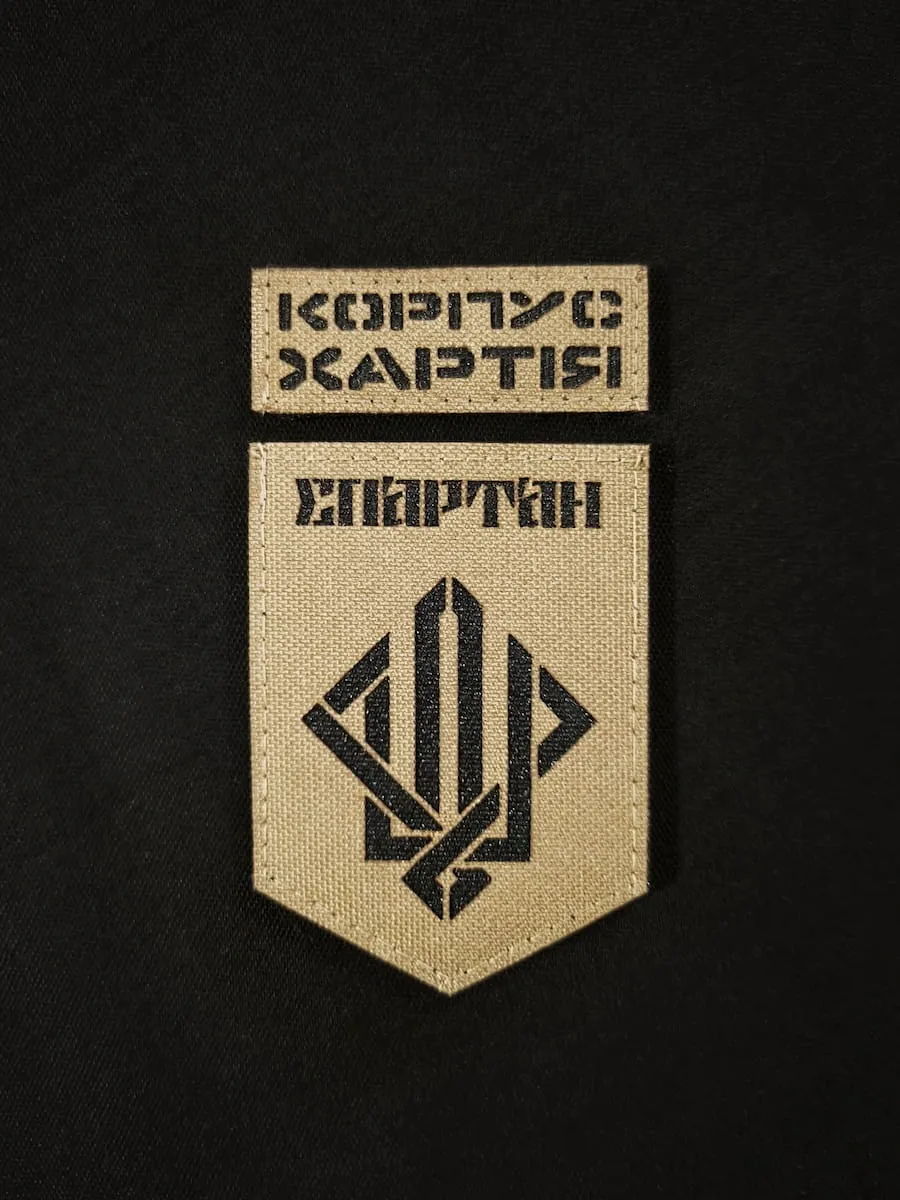
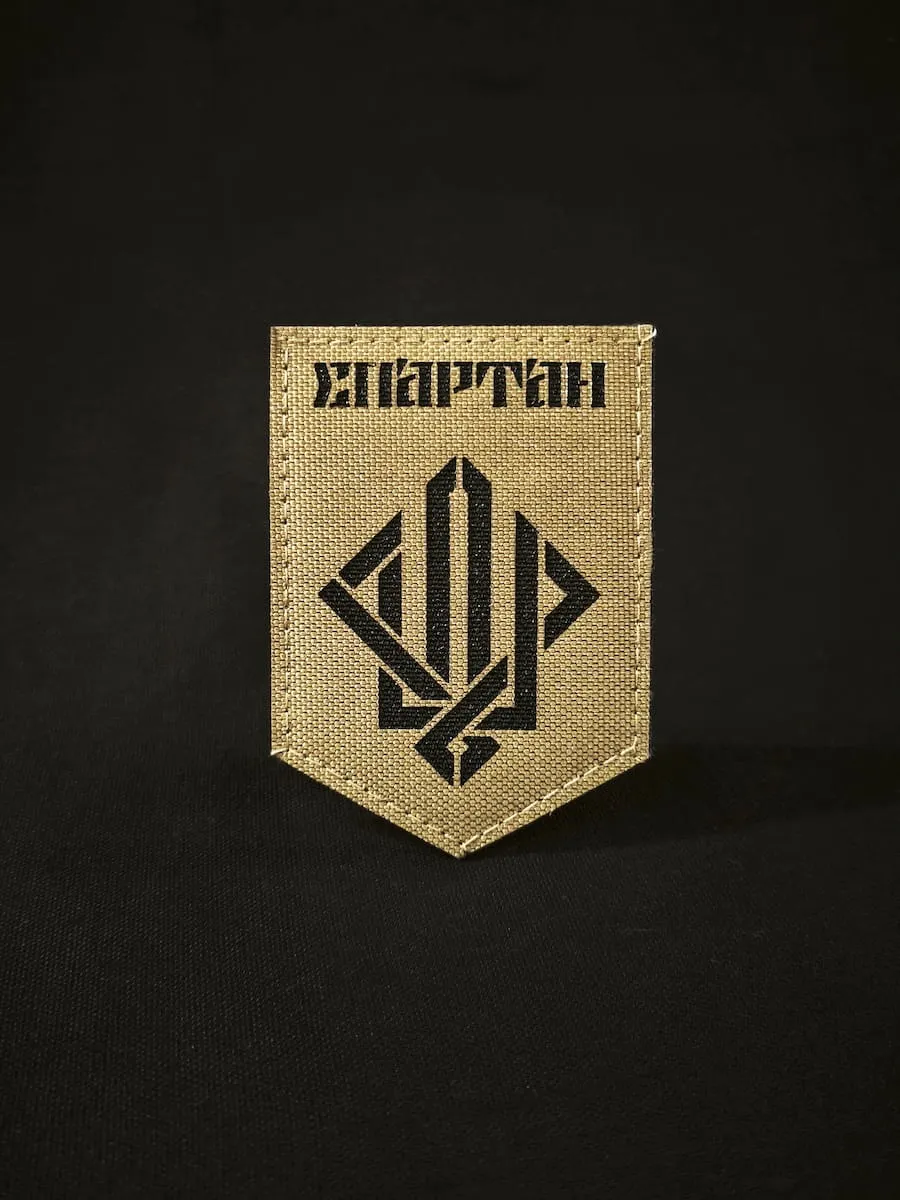
The brigade's sleeve insignia combines history and modernity: it features the talisman Ruievit — the god-warrior of inevitable victory — bringing strength and success to the soldiers of 'Spartan'.

October 14, 2020

By decree of the President of Ukraine, the brigade was awarded the honorary name 'named after Colonel Petro Bolbochan.'

July 27, 2022

By decree of the President of Ukraine, the brigade was awarded the honorary distinction 'For Courage and Bravery.'

2023

The 3rd Operational Brigade became one of the assault brigades of the 'Offensive Guard' and received the name — 'Spartan.'

14 Heroes

Since the beginning of the full-scale invasion, 12 servicemen of the brigade have been awarded the title Hero of Ukraine with the Gold Star Order.

Active campaigns

Official brigade support campaigns through which you can directly help fund transport, equipment, tech, and other urgent unit needs.All fundraisers
Fundraiser for a Vehicle for Instructors
Active

Fundraiser for a Vehicle for Instructors

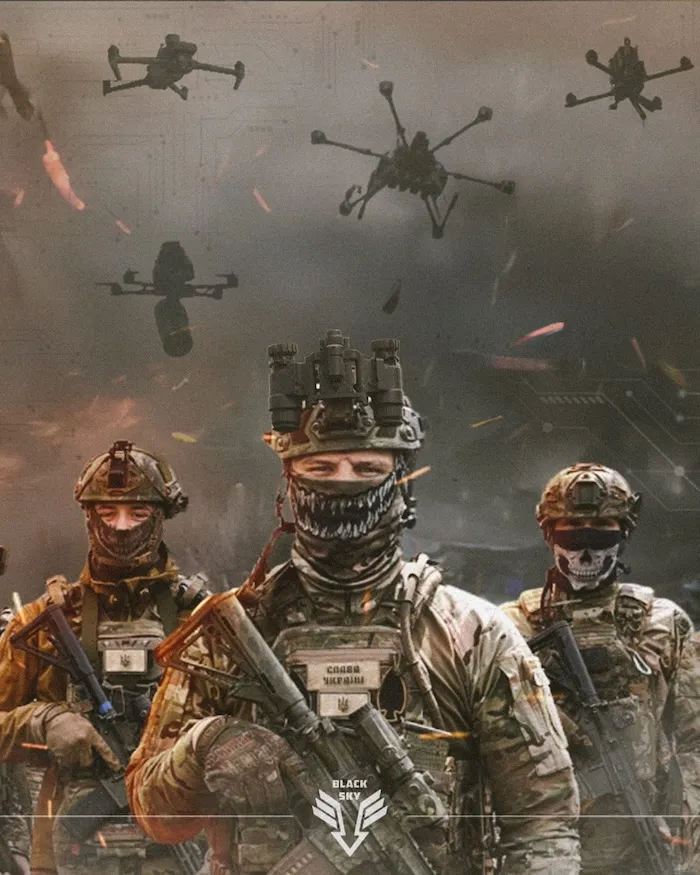
Fundraiser for a Vehicle for the Training of Personnel of the “BLACK SKY” Unmanned Systems Battalion
Raised 200,847 UAH of 200,000 UAHProgress: 100%
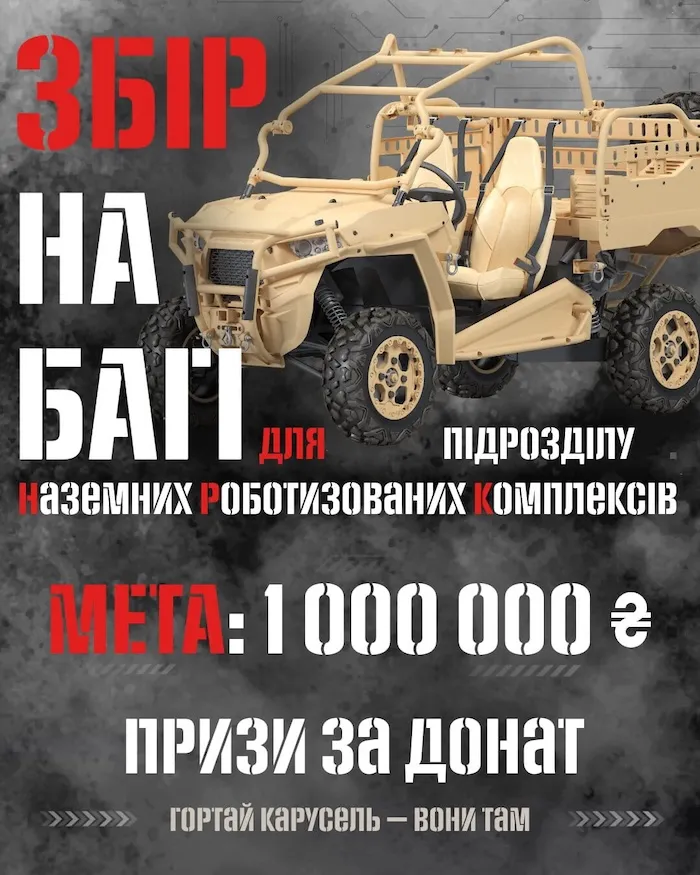
Fundraiser for a Buggy Vehicle
Active

Fundraiser for a Buggy Vehicle

Fundraiser for a Buggy Vehicle for the Ground Robotic Systems Unit of the “BLACK SKY” Unmanned Systems Battalion
Raised 462,505 UAH of 1,000,000 UAHProgress: 46%
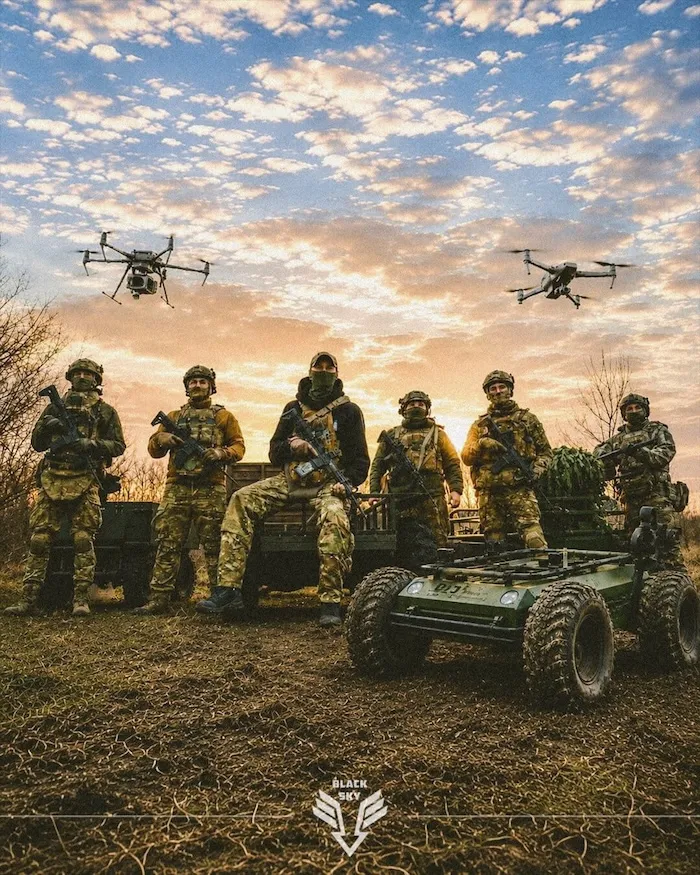
Fundraiser for the Needs of «BLACK SKY»
Active

Fundraiser for the Needs of «BLACK SKY»

For the current needs of the «BLACK SKY» Unmanned Systems Battalion
Raised 88,650 UAH of 600,000 UAHProgress: 15%
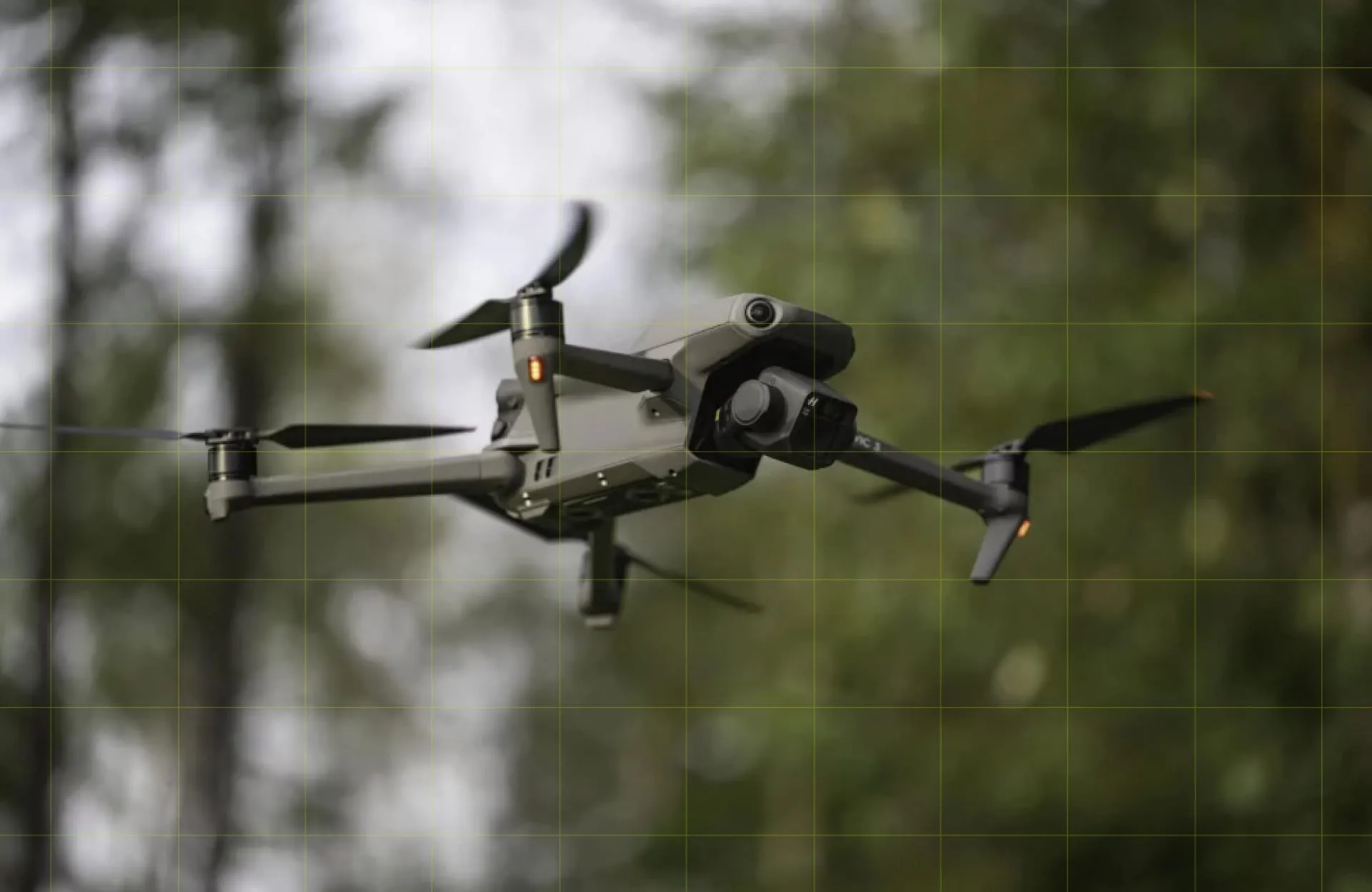
Fundraiser for 10 DJI MATRICE 4T
Active

Fundraiser for 10 DJI MATRICE 4T

Fundraiser for the 3rd Operational Brigade “SPARTAN” for 10 DJI MATRICE 4T

Raised 1,212,587 UAH of 1,820,000 UAHProgress: 67%

Follow our news and merch updates

Instagram
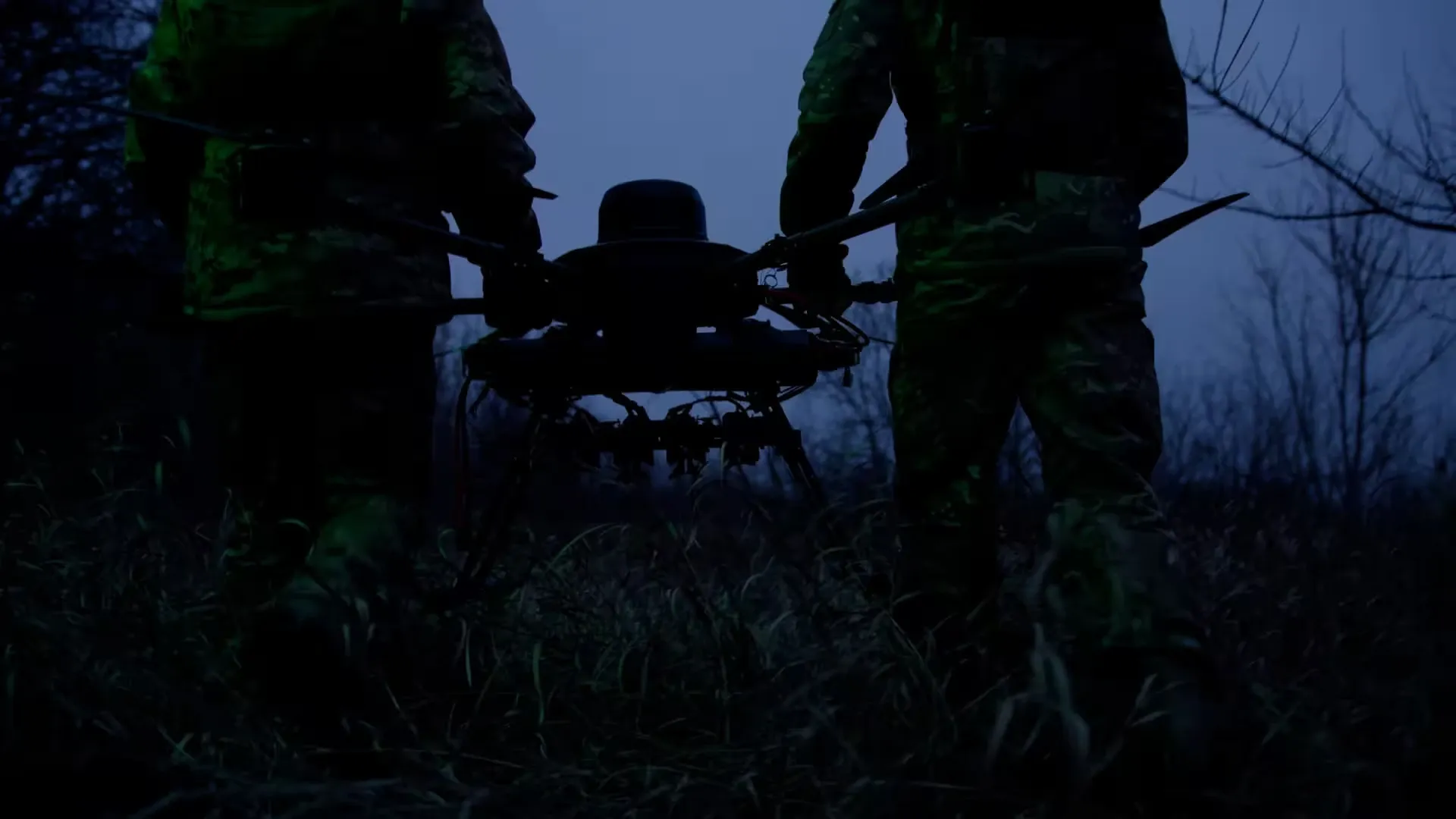
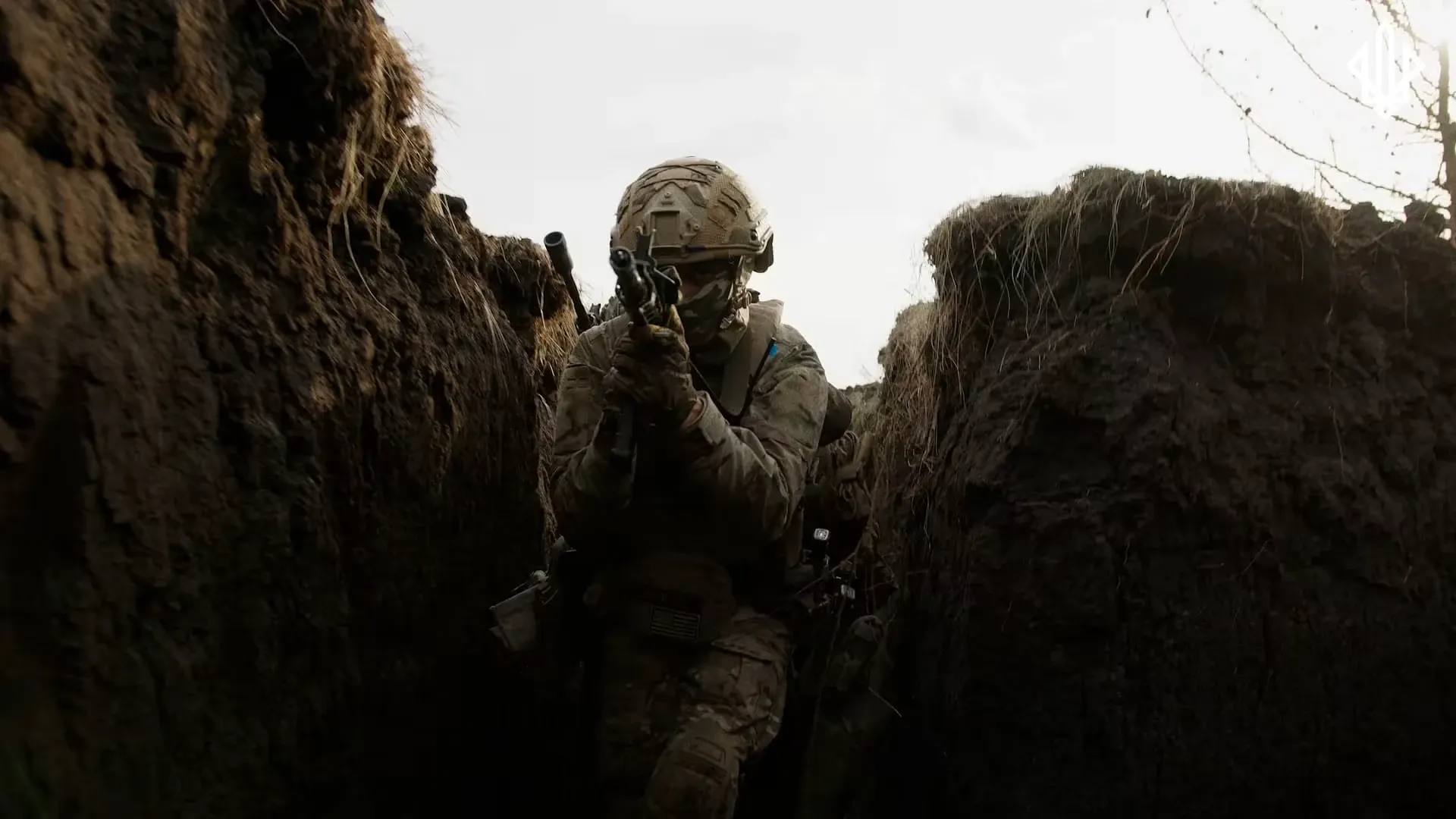
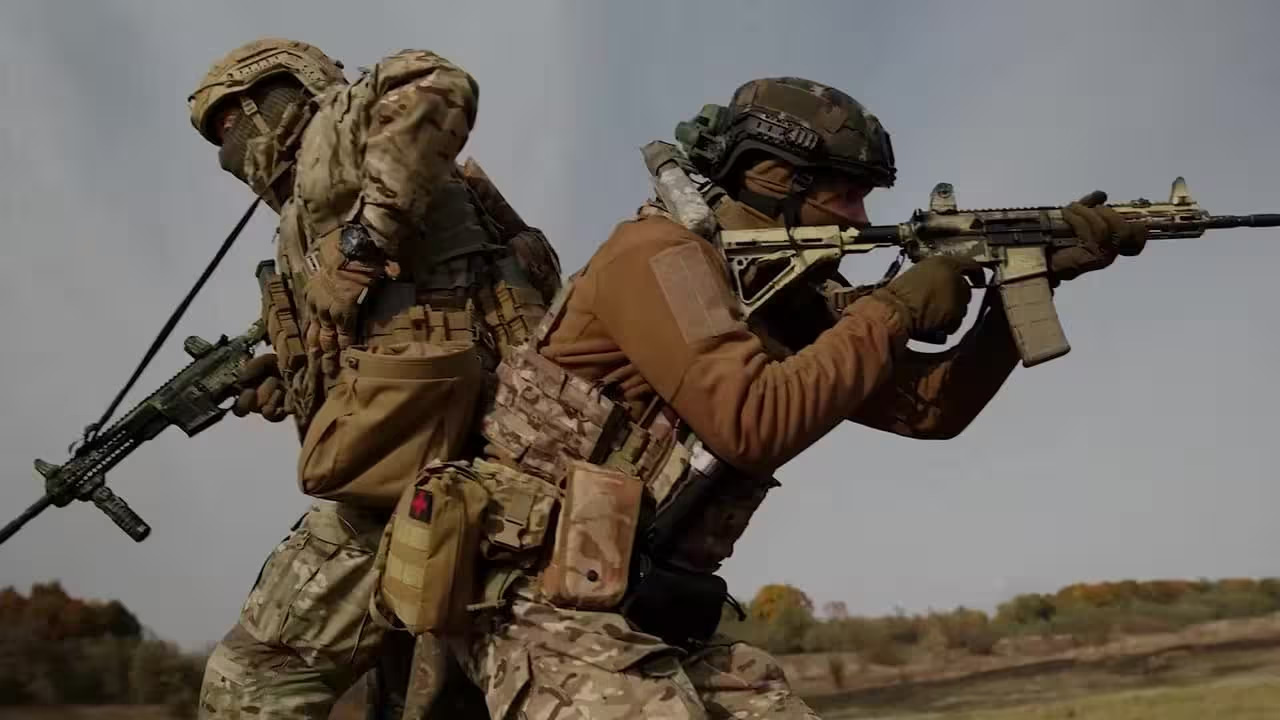
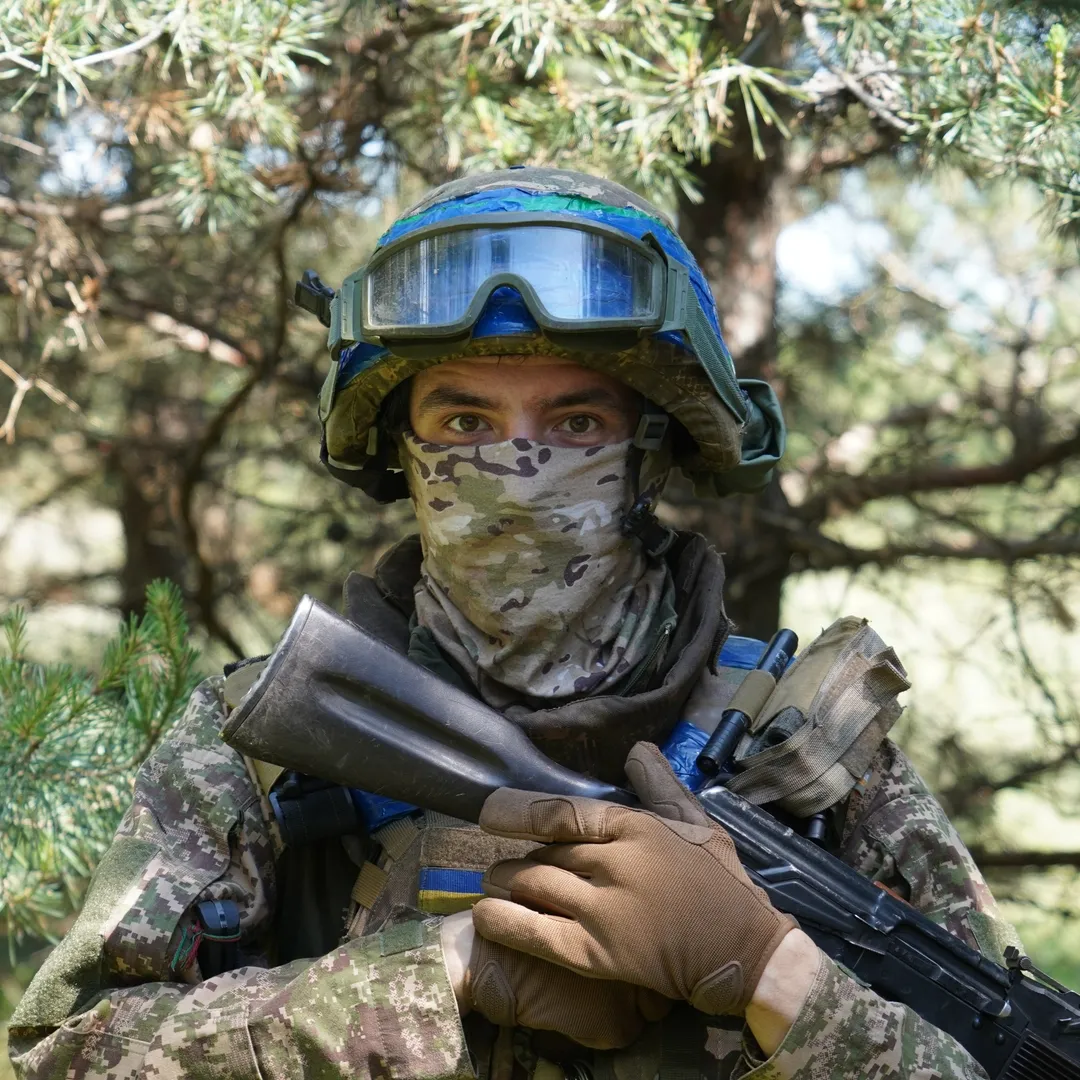
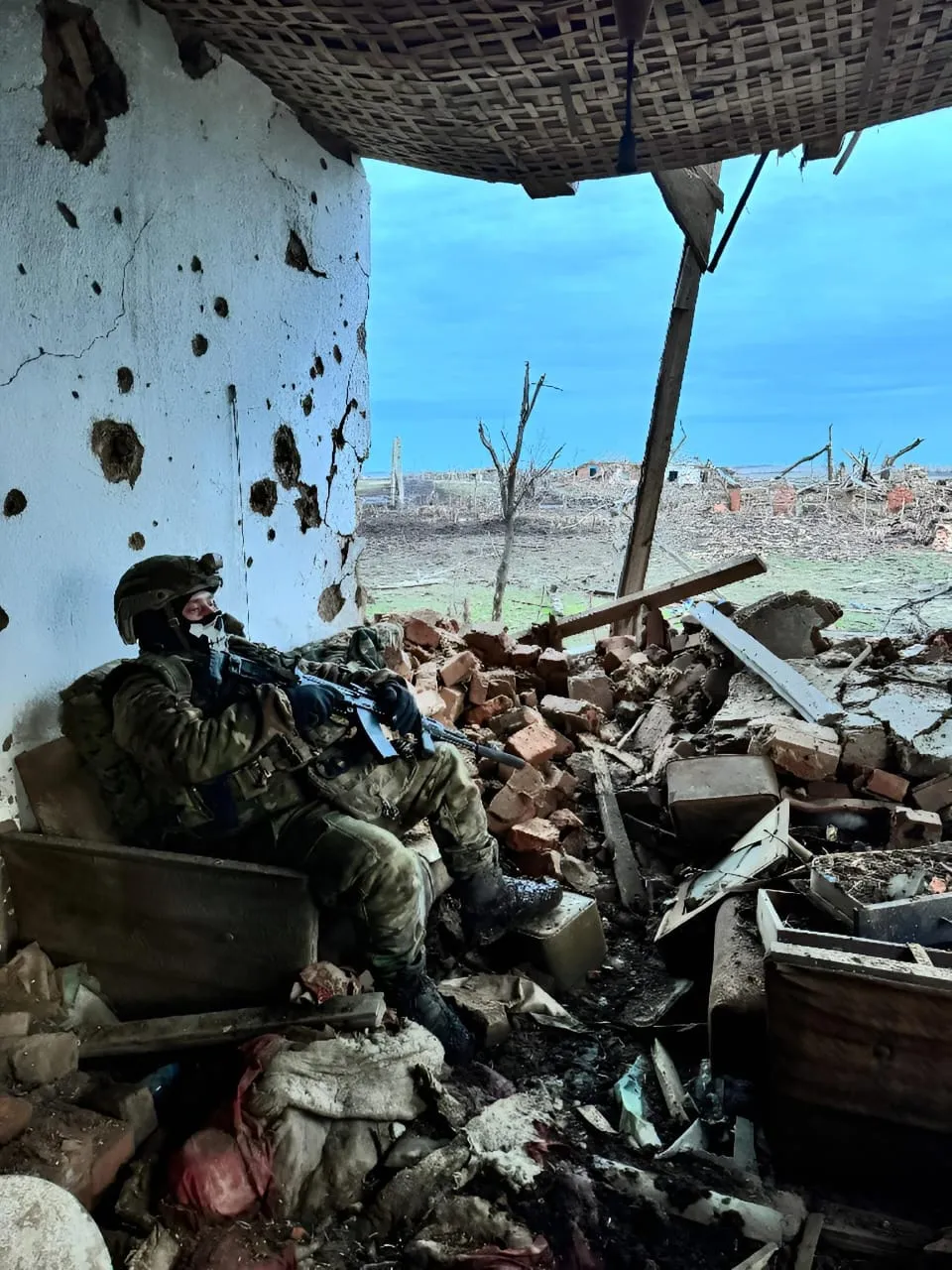
Spartan brigade soldiers at positions
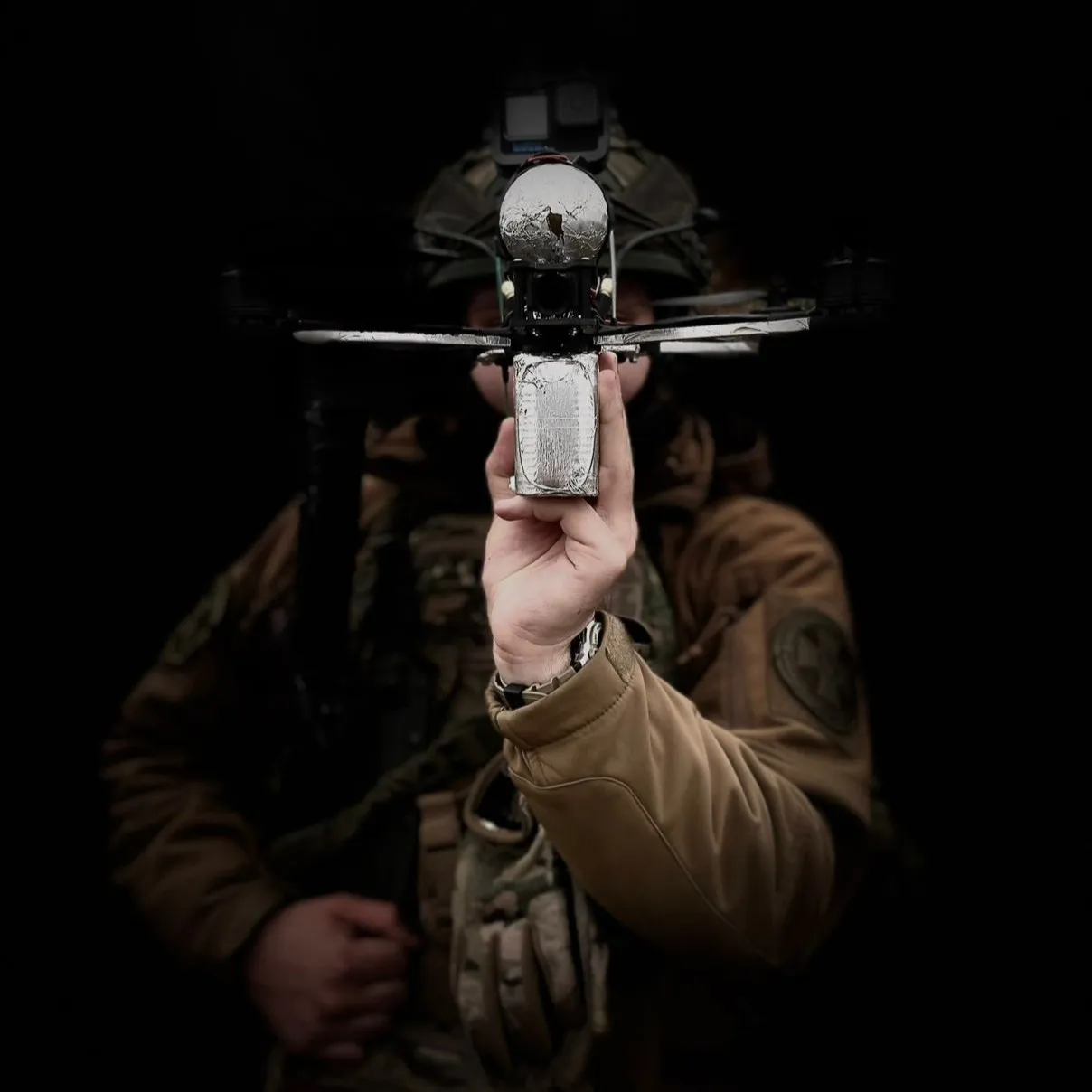
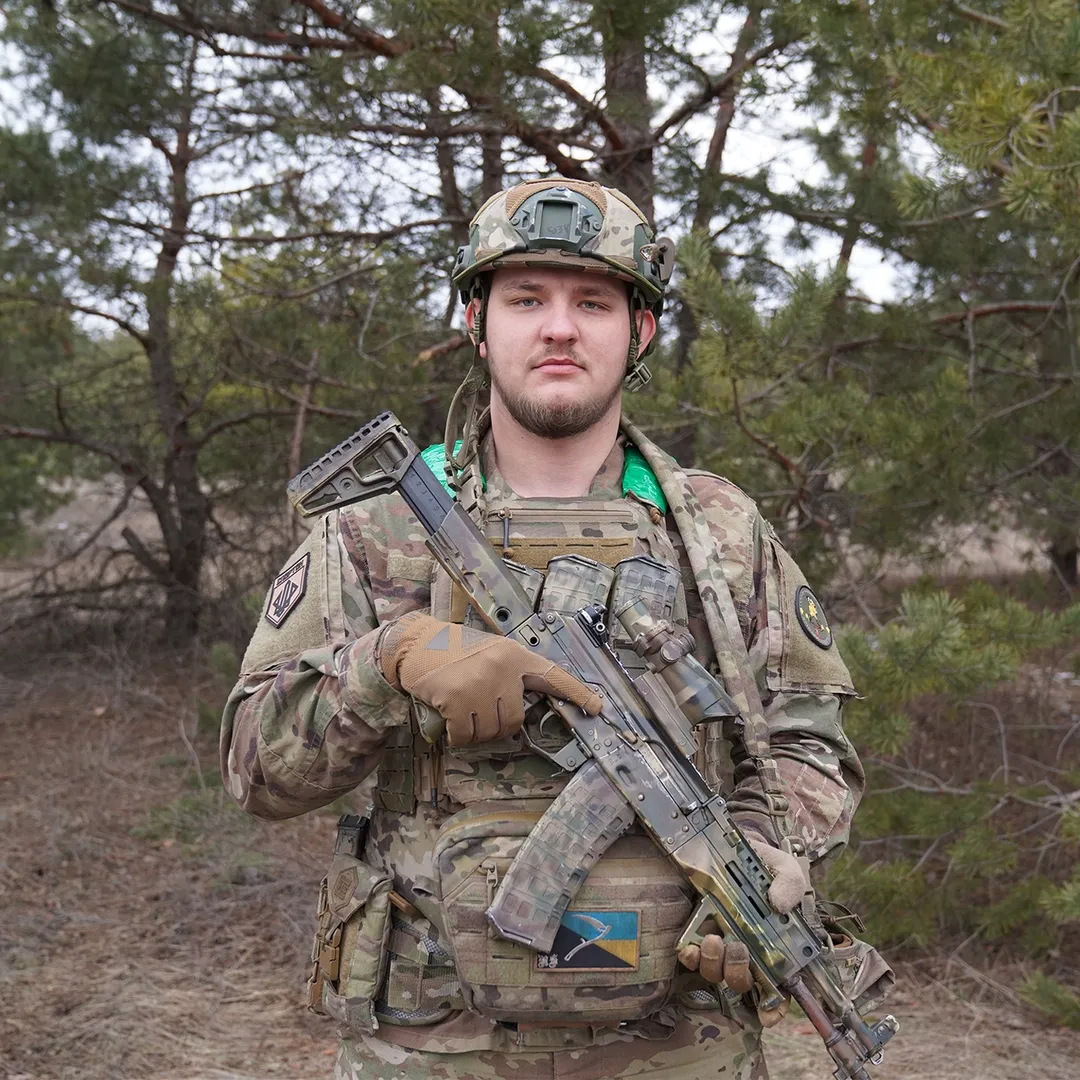
Ukrainian defenders during a combat mission
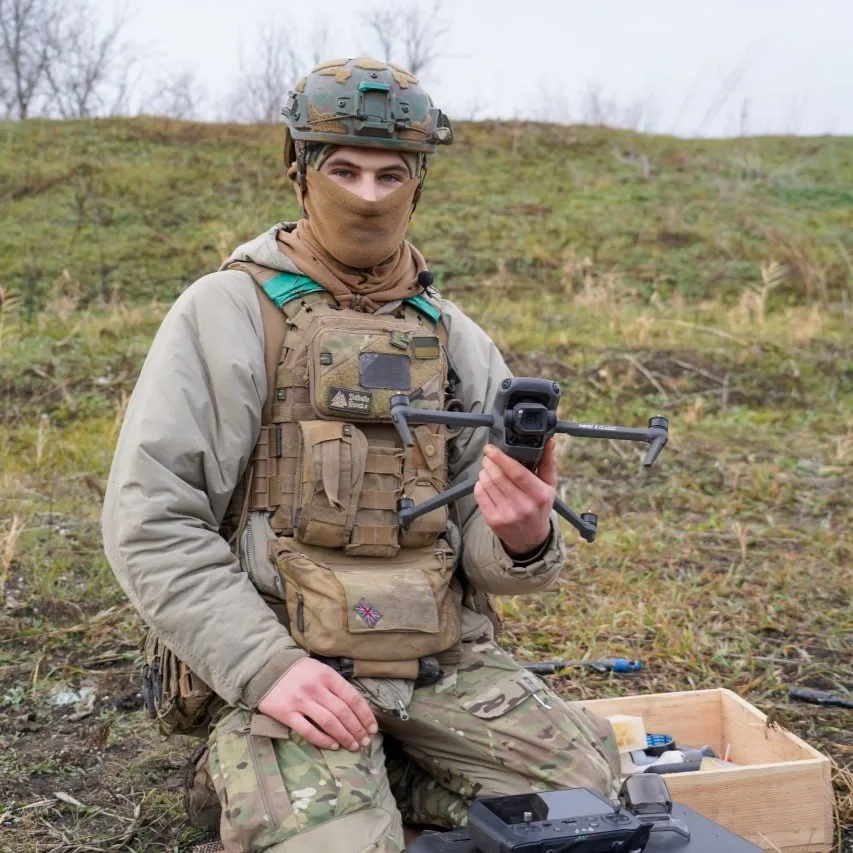
Soldiers of the 3rd Operational Brigade
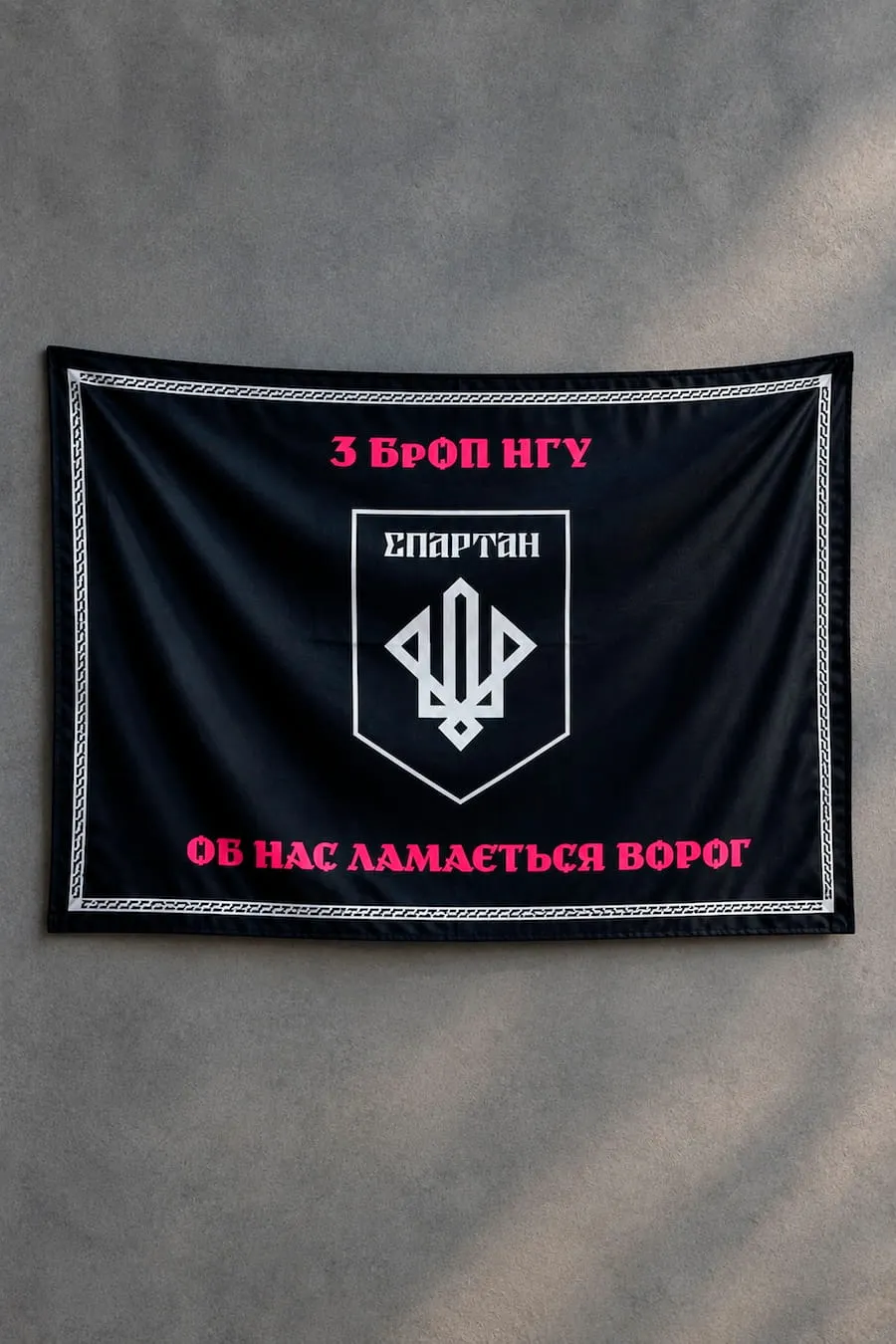
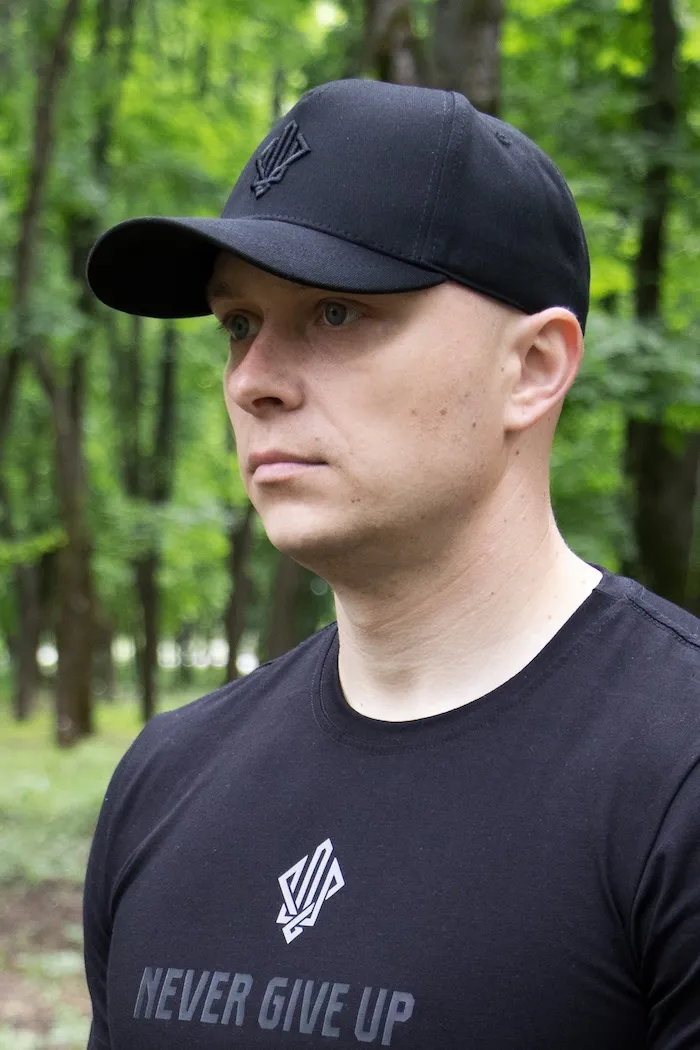
Make contribution to our mission by buying what you like. The proceeds are used for the needs of the unit and its personnelMake contribution to our mission by buying what you like. The proceeds are used for the needs of the unit and its personnelMake contribution to our mission by buying what you like. The proceeds are used for the needs of the unit and its personnelMake contribution to our mission by buying what you like. The proceeds are used for the needs of the unit and its personnel

Become

a Spartan

[1]

Take the first step

Fill out the form on our website or call the recruitment center - our specialists are in touch and ready to answer all your questions


[2]

Interview with a unit representative

We want to know who you are, why you chose the path of a warrior, and what motivates you to join us. This is a short but important conversation


[3]

Document preparation

After a successful interview, you will receive a referral to the recruitment center. There you submit the first package of documents and receive a referral for a military medical commission (MMC)


[4]

Passing the MMC

After passing the medical examination, you will arrive directly at our military unit to complete all the necessary documents


[5]

Basic training

After all the formalities are completed, you will undergo a basic recruit course - an intensive 5-6 week training that will shape you into a true SPARTAN.


How are Spartan soldiers trained?

The key to success

High-quality training is one of Spartan's main principles. That's why we devote a lot of attention to training both new soldiers and those already serving in the brigade.
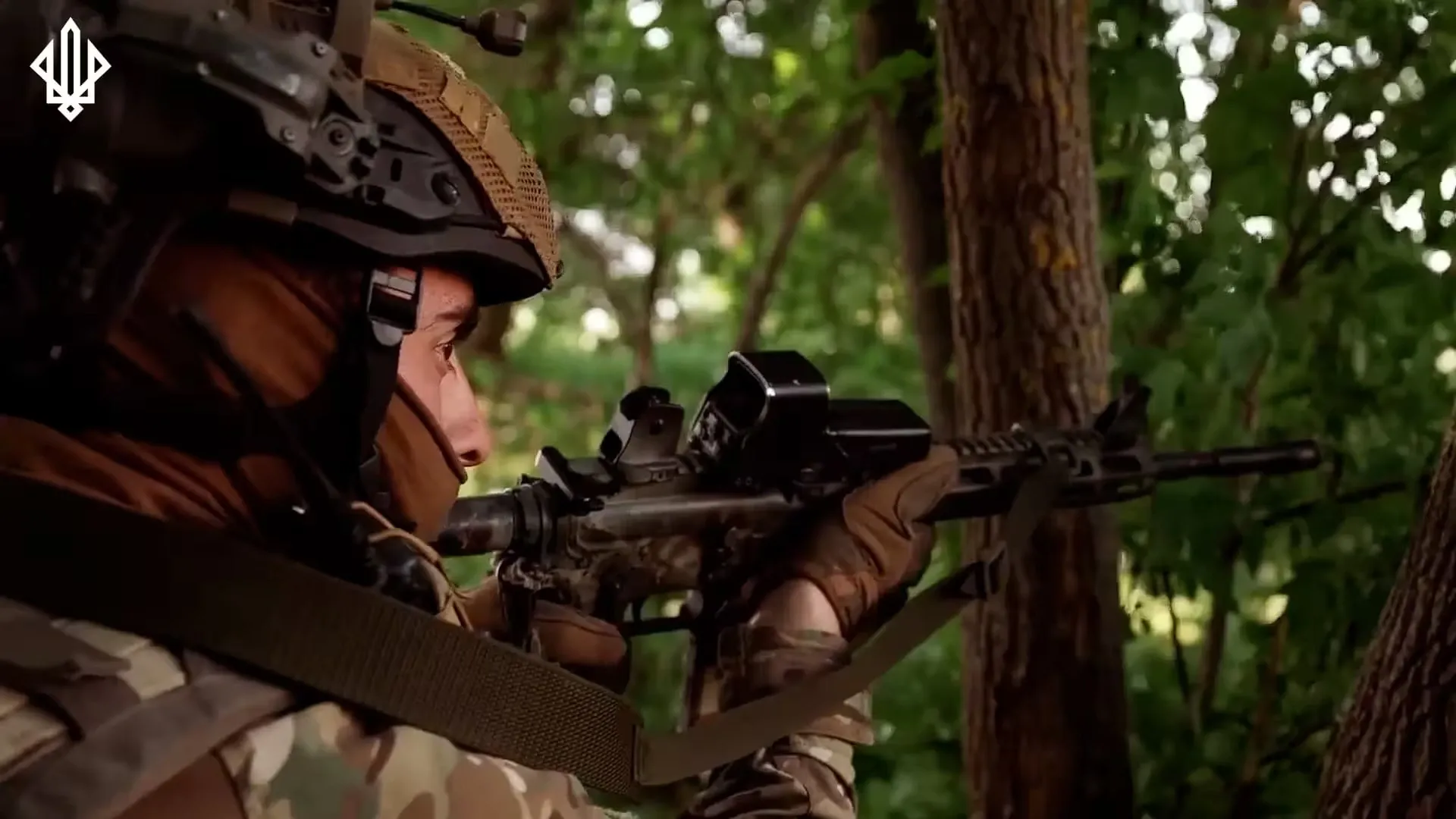
A soldier from the 3rd NGU Brigade in camouflage and a helmet takes aim with a rifle

[1]

Basic Training (64 days)

As soon as you join Spartan (either by mobilization or contract), you'll be sent to undergo the basic general military training course (BGMT) at the National Guard training centers (Kyiv, Lviv, or Ivano-Frankivsk region).

[2]

Full equipment and First Salary

The brigade provides uniform, boots, bulletproof vest, helmet, medical kit, and other necessary equipment. From the first day of service, monetary support is paid — from 24,500 UAH.

[3]

Practice and Combat Skills

During basic training, you will acquire key knowledge and skills for service: tactics, firearms training (99+ hours of shooting), engineering, tactical medicine (TCCC, MARCH), physical training, EW, CBRN defense, and basic military theory.

[4]

Adaptation and Specialization

Combat tasks are not immediate. After 64 days of BGMT, there are another 14 days of adaptation in the unit where you will serve. At the military unit, you'll be offered positions like rifleman, machine gunner, grenadier, scout, sniper, driver, or medic. Specialists in artillery, mortars, air defense, UAVs, and ATGMs must complete additional training.

Combat Chronicle of the 3rd NGU Brigade

Iron Guard

From the first hours of the full-scale invasion, the soldiers of the 3rd Operational Brigade of the National Guard of Ukraine stood up to defend the country. In this bloody war, they do not seek glory, but fight for life. For the right of our state to be free, and our people — to exist. Their combat path is a chronicle of valor, courage, and self-sacrifice.
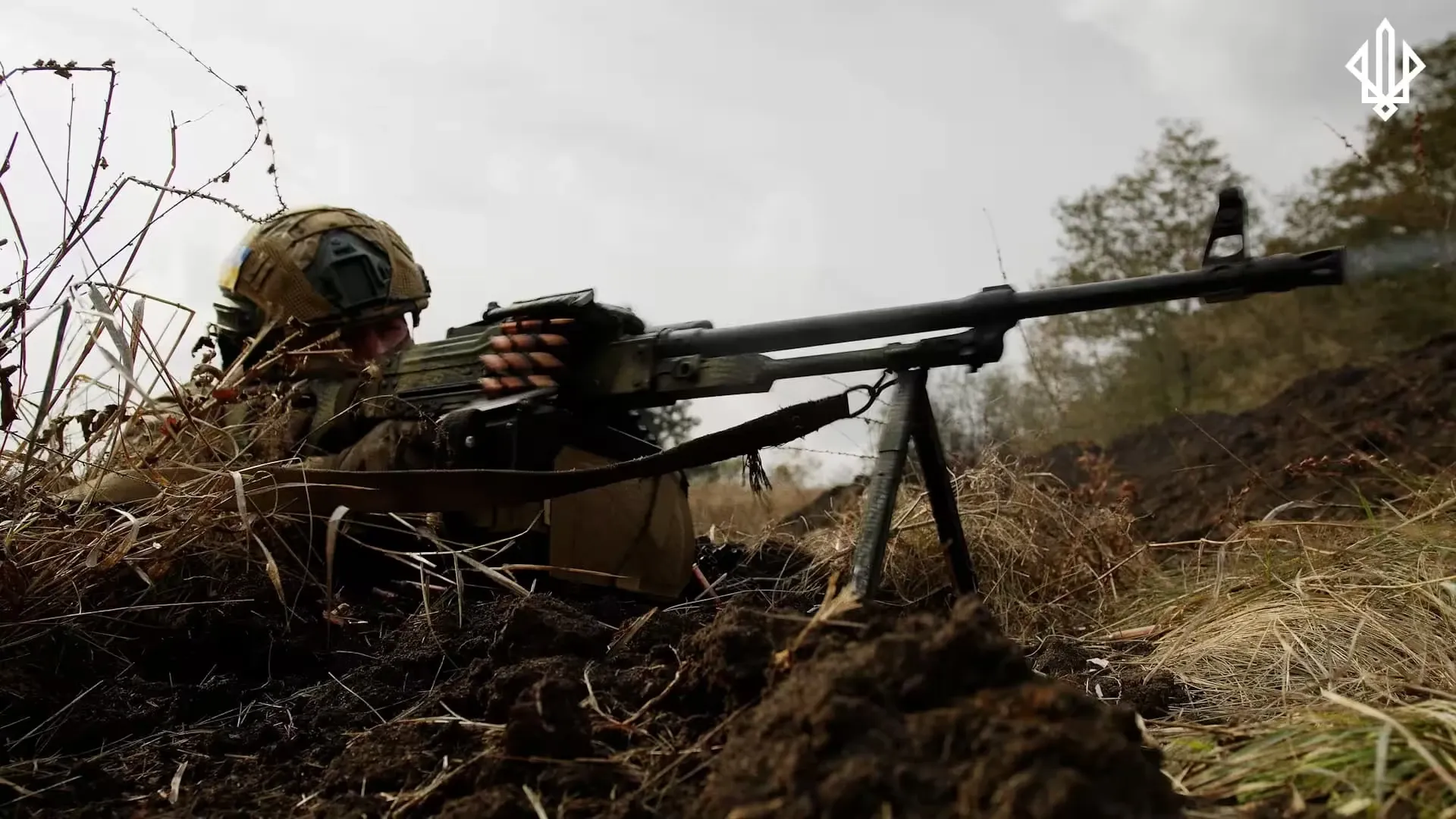
Baptism by fire and resilience in the northeast

Kharkiv Region

Baptism by fire and resilience in the northeast

Since February 24, 2022, the brigade has held the defense as part of the Kharkiv Operational-Tactical Group. The first baptism by fire took place in the settlements of Velyki Prokhody, Hoptivka, Kozacha Lopan, Zolochiv, Udy, and Dementiivka. Here, the guardsmen repelled enemy advances, demonstrating endurance and coordination. As part of the Kupiansk Task Group, the 3rd Battalion participated in battles in Kharkiv region — in Kruhlenivka, Zahryzove, Bohuslavka. In May 2024, the brigade again deployed to the Kharkiv direction. This time — defending Lyptsi, Sotnytskyi Kozachok, Starytsia, and Hoptivka. All these points became symbols of struggle and victory of spirit.
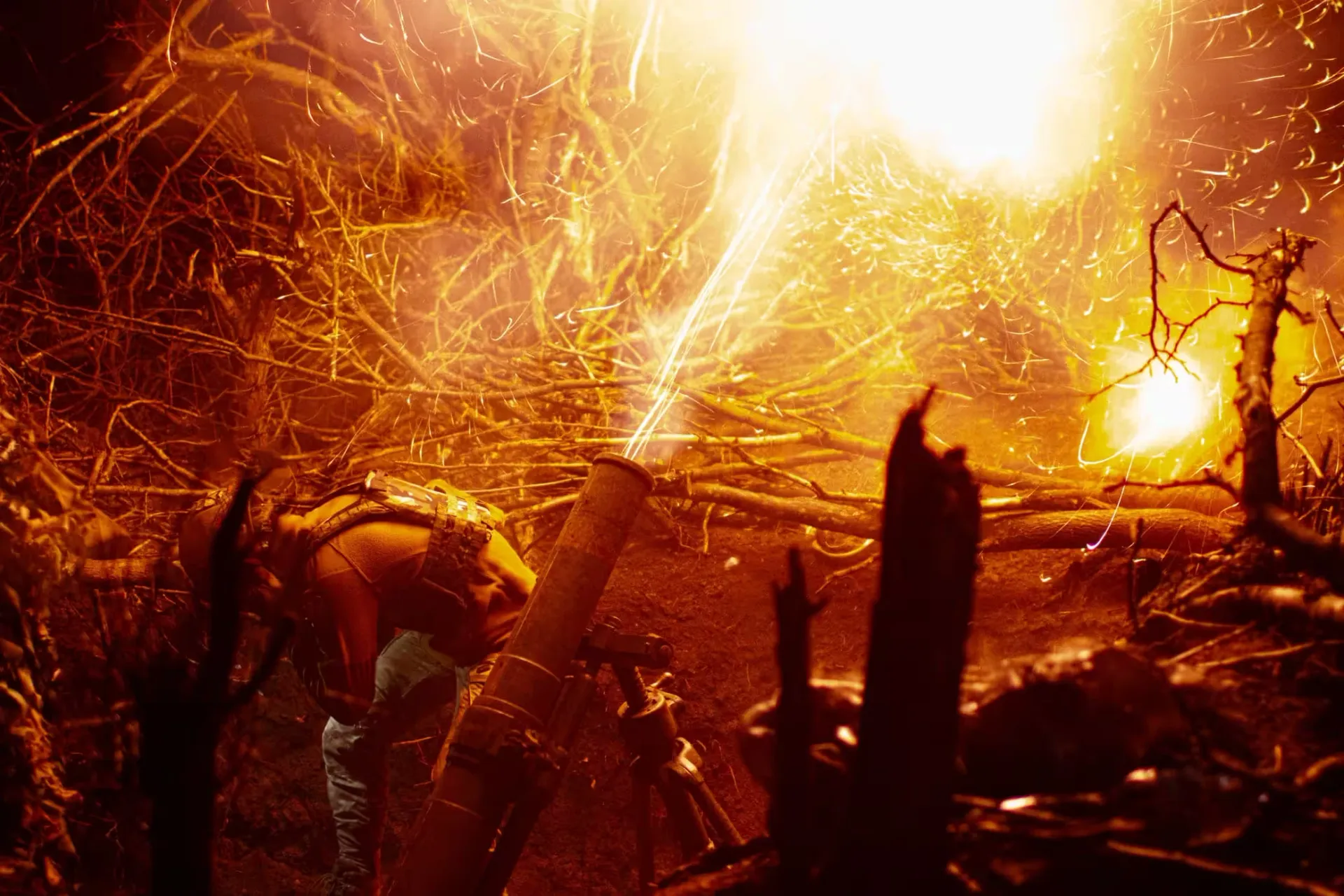
Fierce fighting for Bakhmut and defense of the industrial east

Donetsk Region

Fierce fighting for Bakhmut and defense of the industrial east

In early 2023, the brigade joined the Lyman Operational-Tactical Group and moved to Bakhmut, where they fought in the hottest combat — under intense shelling and street fighting. In November-December 2022, the 2nd Battalion defended positions near Maiorske, and in January 2023, the 3rd Battalion was deployed to reinforce the burning Soledar. Over six months, the 1st Battalion marched a difficult route through Hrodivka, Novohrodivka, Katerynivka, Kostiantynivka, Yelyzavetivka, Nelipivka, and the settlement of New York. Each settlement was a position that the guardsmen defended despite superhuman conditions. At the beginning of 2025, the brigade holds the defense near Udachne, which has become a new test and chapter of the combat chronicle.

Frontline endurance on the Starobilsk direction

Luhansk Region

Frontline endurance on the Starobilsk direction

The 1st Battalion of the brigade held positions in Pryvillia, Kreminna, showing exemplary coordination in the most difficult conditions. At the same time, soldiers from the same battalion distinguished themselves in the defense of Katerynivka — one of the key points of the Starobilsk direction.

Fighting for every meter on the southern front

Zaporizhzhia

Fighting for every meter on the southern front

From May 2023 to May 2024, the 3rd NGU Brigade fought on the Zaporizhzhia front. In Robotyne, Orikhiv, and Mala Danylivka, the guardsmen fought literally for every meter of land, showing resilience even in the hottest spots. In September-October 2024, the brigade returned to these positions and fought for Orikhiv and Novoandriivka, holding the front line under constant attack.
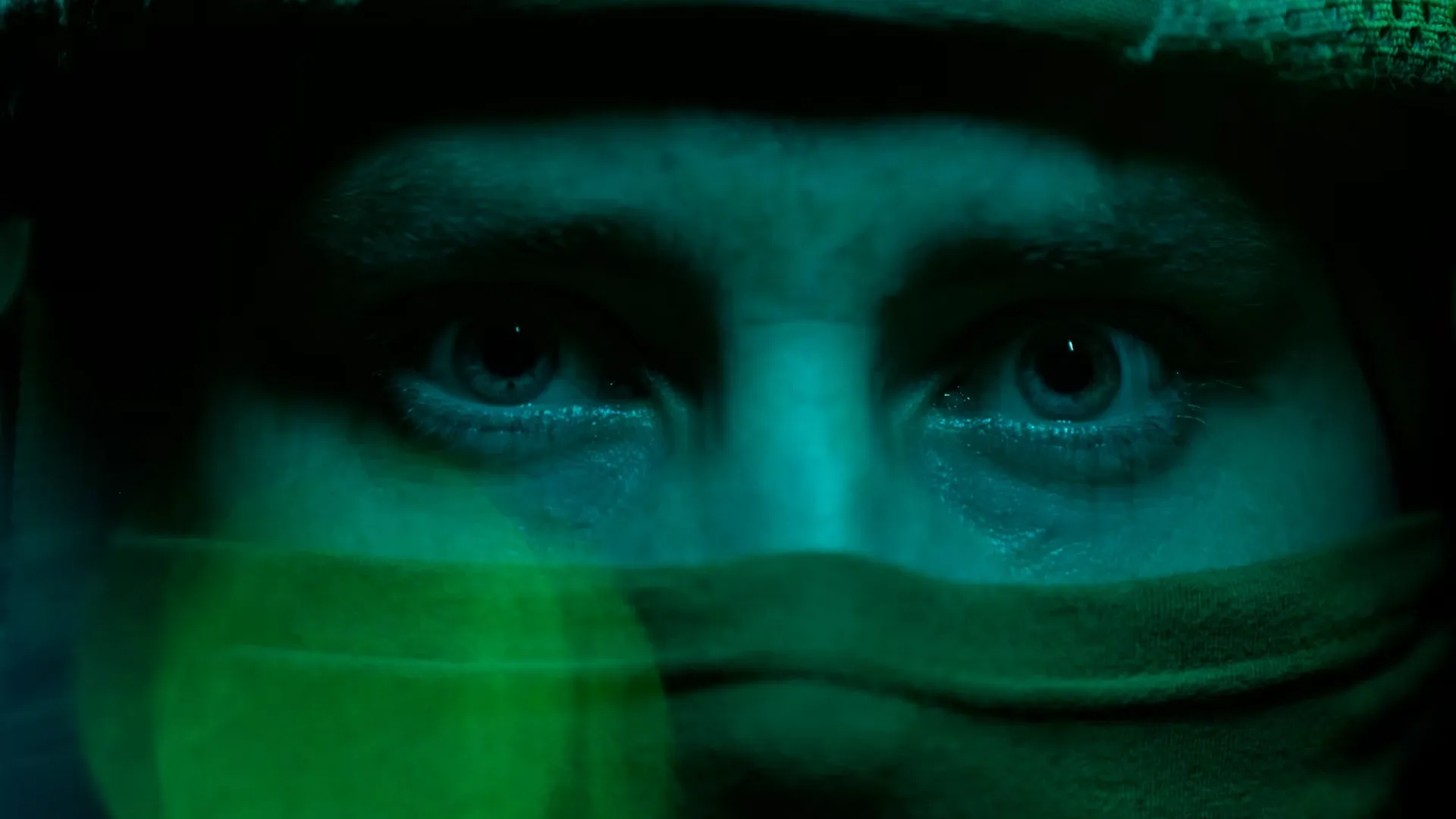
The path of courage

The path of courage

The 3rd Special Forces Brigade of the National Guard of Ukraine is all about iron will, brotherhood, and faith in victory. Their heroism is the very foundation on which Ukraine stands.

Join

Our Heroes

Buchak

The warrior with the callsign Buchak is 30 years old. He is a sergeant and a remote drone pilot within the 3rd Artillery Battalion of the "Spartan" Brigade. In civilian life, Buchak was a mechanical engineer and had his own workshop for manufacturing industrial equipment. On the first day of the full-scale invasion, he was already standing in line at the military enlistment office to volunteer. He first ended up in the local territorial defense. Despite having the status of "partially fit," he managed to undergo a second medical commission and was mobilized into a Cherkasy unit of the National Guard. But he did not stop there—he persistently wrote reports to get into the "Offensive Guard." Thus, Buchak ended up in an assault company, and later in the 3rd Artillery Battalion. He started as a mechanic, but since he had experience in aeromodeling from his school days, he quickly mastered drone piloting. He underwent training in Dnipro, specifically on the "Leleka" UAV. In two years, the warrior, along with his brigade, has passed through many hot sectors: Kharkiv, Zaporizhzhia, and is currently fighting near Pokrovsk. He calls the battles for Robotyne the most difficult. He says it was hell on earth. There, he lost brothers-in-arms, received several concussions, and "several new birthdays"—he miraculously stayed alive. "We disrupt enemy assaults, help the infantry survive and advance. Why are we here? Who else, if not us," says the guardsman. He admits that the war has changed him forever. After the losses and pain, he realized how much life is worth. And now, it will never be "like before." In his native Cherkasy, his mother is waiting for him. She tried to talk her only son out of going to the front, but Buchak remained steadfast. The death of his friends became the decisive moment. After that, he realized: he must be there to save lives. And, despite the fact that the warrior already has combat awards, he says the greatest distinction for him will be victory and returning home.

Buchak

Student

National Guard on call sign Student — external pilot (operator) of unmanned aerial vehicles of the anti-aircraft missile and artillery battalion of the brigade "Spartan". He came to the ranks of the National Guard of Ukraine consciously. In 2023, I learned about the recruitment to the "Guard of the offensive" and decided to join, because the desire to defend the country arose at the beginning of a full-scale war. Then he was a student of one of the Kharkiv universities. At the same time in "Spartan" already served his friend, who offered to join the brigade. So the boy took the academic leave and stood up. From his fellow students received a call sign Student. At first, the Guard was trained to shoot a portable anti-aircraft missile system and had been performing combat missions in the Zaporizhzhia direction for more than a year. Subsequently, there was a new opportunity - to become a pilot UAV. "The team told that there is a set and needed young people who know how and wants to work with new technologies. I was curious - I realized that you can study and grow here," he recalls. The show began in July 2024. But the theory for the pilot UAV - only the first step, real skill comes with practice. "War does not stand still. Every day there is something new, and you have to create on the go, in front conditions," says Student. It runs FPV drones that hit air targets. In March 2025, the Student managed to shoot down a maneuverable Russian drone ZALA Z-16 - extremely light and mobile. The goal is difficult: to hit it is not easy, because the drone "sees" in the air and quickly changes direction. Today, the unit where the Student serves, is trained to manage aircraft type drones. This is necessary, because Russian UAVs fly higher and FPV drone, although surprisingly maneuverable, has limited time in the sky. Instead, the aircraft UAV lasts longer in the air, can rise higher and faster overtakes the target. "My work is interesting. I sit 30 km from the target - and I know that I can hit it," says Guardsman. However, war — is not just technology. This and loss, pain, test. "I especially remember how we somehow got to the positions under heavy mortar fire. Everyone's got it. But it was too much," recalls a 23-year-old warrior. He is still a man of dreams. "In my heart I am a civilian. But now we must fight in order to protect our own. After the victory - I will create my family, I will have children." In the meantime, the soul is warmed by the idea of home in the Kharkiv region, the support of parents and beloved girl. They are his support and the answer to the question, for which he risks his life every day.

Student

Lyuty

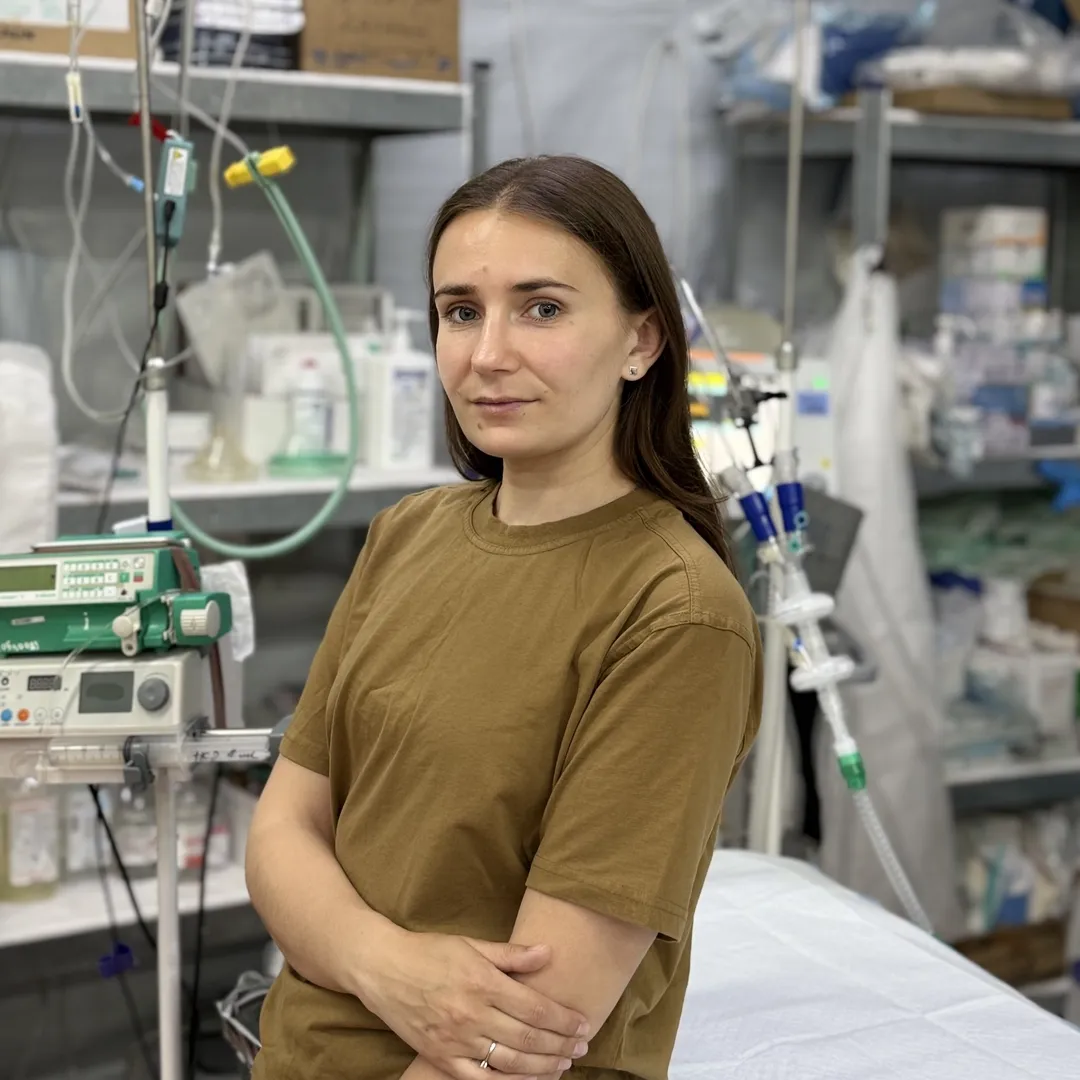
Nikita "Lyuty" - Senior Lieutenant of the Medical Company of the 3rd Operational Brigade "Spartan" named after Colonel Peter Bolbochan. A man who at the beginning of the invasion served in the Kiev Theater, and now every day saves fighters at the stabilization station near Pokrovsk. Prior to the start of full-scale invasion "February" worked as an anesthesiologist in Kiev. Within a month he had joined the army. Start of Service "In 2022, I wanted to be something useful and use my skills for the good of the country to help the boys. My hospital was one of the first to receive the wounded. That's when Irpin and Bucha were on everyone's lips. I saw it all. First, anger on the aggressor just sprayed. Secondly, I really wanted to contribute. I understood that most likely I would be able to help in the army a little more than in a hospital in Kyiv," the medic says about the beginning of his journey. According to him, his first place of service was the Kiev division of TRO. "I ran with them a little into the floor. Then I know suggested to go to the 27th brigade. With them he fought a little near Kiev, and in the Donbas. If you know, General Kulchytskyi Battalion, they were together with them on rotation. Later he heard of the medical company. She was still in Eastern TRC. I tried everything I could to get across there. After all, I was put on the position in the headquarters of the battalion and was overthrown with paper wheels. This was clearly not what I expected," - said "February". The boy was transferred to the "Spartan" brigade in 2023. Work on the article point "February" notes that the changes at the checkpoint are quite long. "This can be a week, 15 days, 16 days, depending on the load. Now we have a stabilization station with other teams, but the main role is played by our team. It is our specialists who mostly deal with serious wounded. This is the transportation carried out by our anesthesiologists, including me. The alternation begins as follows: I arrived, I was given a change, I overlooked the equipment, asked for drugs, on the remains, to understand what you can, let's say, count on during the day, during the alternation, and what you need to order. Next, wait for the wounded. As for the wounded, we can be warned that they carry, for example, heavy or medium-sized, and the number accordingly, or may not warn, directly on the armor to come. So we do a quick look around. Next, we either undress or cut off the clothes, looking from the condition, we transfer either to the operating table or to the tables where we are engaged in light wounds. Then we either operate or tie it up like that, or if there are any fractures, we fix, anesthetize and do everything we need. Well, that is how this day passes," admits Nikita. According to him, the main work takes place in the evening or at night. This is due to the hours that are better suited for evacuation. More training "February" says that doctors are constantly gaining new knowledge and improving their skills. "The only thing is that we find courses for ourselves, take a business trip. For example, I recently went to Kiev, attended courses on bronchoscopy. I believe that such courses are cool. Plus, now surgeons and anesthesiologists this summer will be sent alternately to the courses on specialized provision of care to the injured. There is such an American system, ITLS (International Trauma Life Support))called. These are advanced assistance skills. That's cool. Foreign experts will teach us. In principle, in such training, I see the point. Because reading books is good, and practicing them according to the rules of the protocol is different," the medic emphasizes. The ITLS system is designed to train medical workers, emergency services staff and other specialists with knowledge and skills to provide trauma care at the pre-hospital stage. ITLS is a globally recognized certification that helps health professionals quickly evaluate and treat injured patients. The hardest part is on duty "February" admits that the most difficult during duty is when several heavy wounded soldiers are brought at the same time. "At the same time comes from two or more heavy, then you have to sort very well. Together with colleagues-surgeons we work on this. I, as a doctor, before the war and blood, and the gut saw. My psyche was a little prepared for this. Plus, the fourth year is coming, we do our job. Mentally you ask, I'm not very pleased when I see young guys 18-19 years old with invalids. I understand how this happens in the future. I know everything that is done in the next stages of evacuation in the hospital, in hospitals. I understand that his struggle in fact is just beginning," the doctor emphasizes. In general, doctors fight for the life of the military until the last. "February" gave an example of a seriously wounded military man who had simultaneous bleeding from the artery and vein. "Translated, launched the heart and started to work. There was nodular bleeding in the groin area. We resuscitated it. He was more or less adequate neurologically.

Lyuty

Shvidka

Call sign "Shvydka": When the wounded are brought, everything else fades into the background. Yulia "Shvydka" - a sergeant of the medical company of the 3rd Operational Brigade "Spartan" named after Colonel Petro Bolbochan of the National Guard of Ukraine - almost two years ago joined the army. Now "Shvydka" works as an assistant of an anesthesiologist and helps to save the wounded Ukrainian soldiers. In March 2025, the girl received a presidential award - the medal "For Saving Life". Prior to joining the army, Julia devoted herself to medicine. Her callsign is a reminder that a woman has been working as an ambulance for ten years. In July 2023, the "Shvydka" decided to join the Defense Forces. "I wanted to go out in service as soon as the war broke out. I was an ambulance paramedic in Kyiv and studied at medical university. I know that if I left early, I wouldn't have finished it later. She graduated from medical university in June 23 and in July 23 came to the service. What was the main motivation for you to go to work? The war is in my country," Yulia said. Now "Shvydka" works at the stabilization station. In particular, provides the wounded with emergency assistance. We are talking about shock and rehabilitation means. His usual day in the combat zone, the medic describes as follows: "Duty 24 to 7. Wounded patients. There is a routine - breakfast, lunch, dinner, hygiene procedures. But when they bring the wounded - everything else goes to the background." Yulia noted that the most difficult thing in her work is to see when resuscitation measures can no longer help the patient when a person dies, or when a military man is brought dead. "Shvydka" recalled one of the most difficult moments in her service. "We were in the Zaporozhye direction. We had unsuccessful resuscitation. And this patient had a twin brother who saw it all happen. It was from a psychological point of view difficult. And in the work all the same," - said "Fast". In general, whether the wounded soldier will survive depends on many factors. According to the doctor, the result is influenced not only by the actions of doctors, but also by a bunch of external factors - from the presence of the turnstile and its proper use to the timely evacuation. "There are patients who could survive there, but they cannot be evacuated for several days, because it is impossible to evacuate due to hostilities. It also depends on the medic, who is there near the patient. From himself. The military themselves can wear down the turnstiles and die of it. They can make ends meet and lose them if they do not need them. Many people also depend on the qualification of doctors at the stabilization station," says "Shvydkyi". According to her, the brigade "Spartan" pay attention to the training of doctors. "Personally, I was sent on to study. I have been to the United States, Florida, and Norway. In Florida, it was an anesthesiology training. We've seen colleagues at work. In Norway blood training because we are dealing with hemotransfusion. It's a blood transfusion. Interestingly, increases skills and generally interesting experience. I'm not the only one who went. Many of our doctors studied in different countries," Yulia said. As for receiving the medal "For the saved life" "Shvydka" said that this is not for a specific case, but for the total work. "We had a lot of successful resuscitation," the medic said.

Shvidka

Chornyi

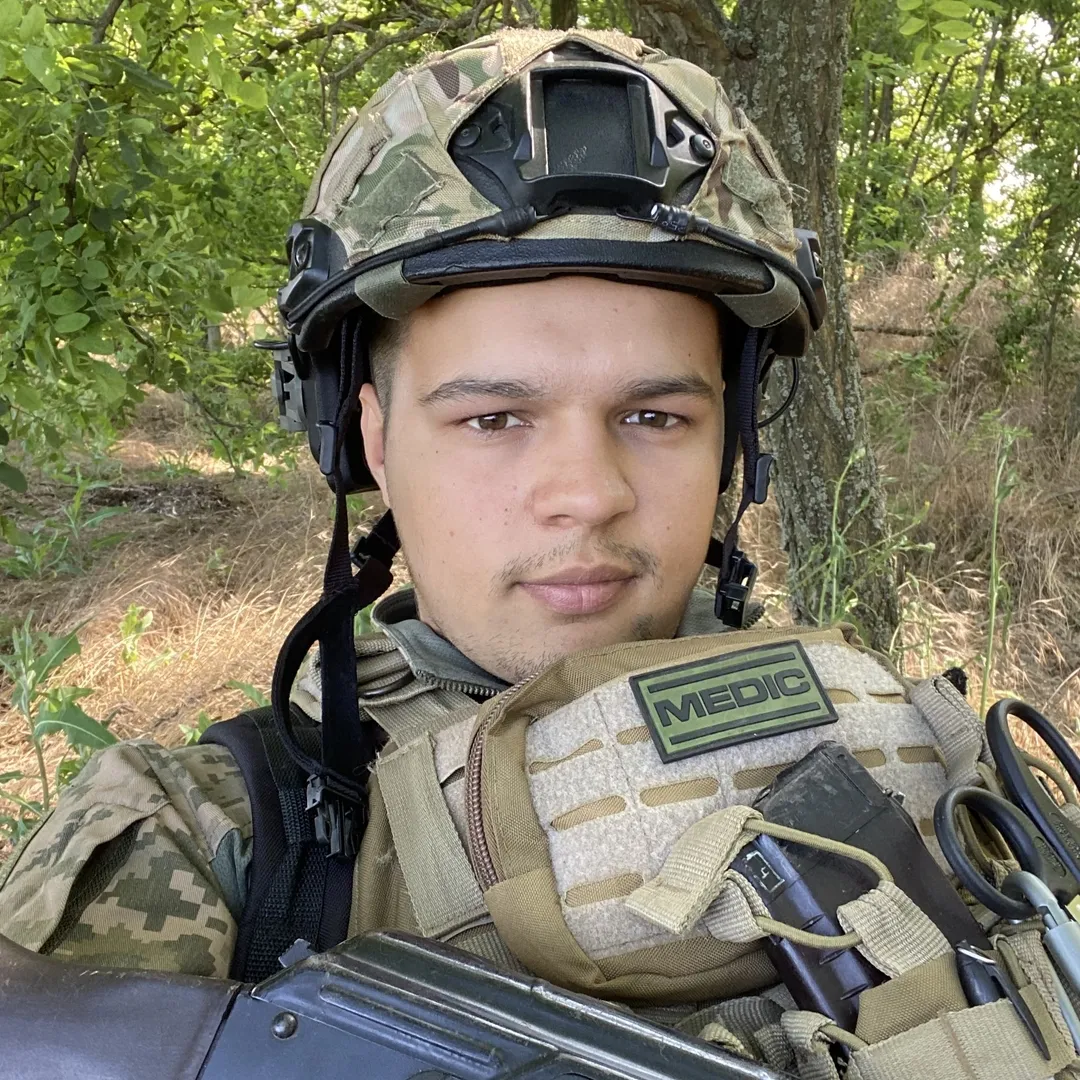
Callsign "Chornyi": We control the condition of patients to the stabilization point. Dmytro "Chornyi" - orderly of the department of collection and evacuation of the wounded brigade "Spartan". Its main task is to bring the wounded soldier alive to the stabilization station, where doctors are waiting. In 2021, immediately after training at the paramedic, Dmitry was in the conscript. After the start of full-scale invasion, "Chornyi" signed a contract with the operational brigade "Spartan" named after Colonel Peter Bolbochan and got to the medical center for the position of orderly. The main task of the "Chornyi" is the evacuation of the wounded. "Before, when the situation allowed, we went to the position to take the wounded. Now the tactical conditions no longer allow you to reach positions. So we'll have to work from the wounded transmission point. After that, we're taking people to the stabilization section. Even during the evacuation, we provide qualified medical care," Dmytro says. According to him. now mostly the evacuation of the wounded takes place at night. "We try to rest during the day, we work at night", - said "February". Most of all, during his service, Dmytro was remembered for his first military exit and his first wounded, whom he evacuated. "It was wounded from the adjacent unit, from "Kraken" (subdivision of the Defense Intelligence). He was wounded in the neck of moderate severity. We successfully brought him, alive, stable," recalls Dmytro. The medic also remembers the evacuation of his brother during the liberation of part of Kharkiv region in the fall of 2022. "It was near the village of Prudyanka. There was wounded my brother, with whom we came to the conscript. He had a severe wound - damage to the artery of the leg, open fracture. Worked out well. The boy survived. We have seen him more than once," says Dmytro. According to the doctor, a successful evacuation depends on several factors. For example, this is the knowledge and skills of the orderlies who are engaged in evacuation, their stress resistance. "Do not panic. It happens that we take at the same time more than one wounded. It is necessary to evaluate the situation and work in a qualified way. We control the condition of patients to the stabilization point," Dmytro said. "February" emphasizes that even, despite the fact that during the war he saw a lot, accustomed to difficulties, however, the most difficult thing in his work remains to see the fallen brothers. It is the brothers and the family, their support, allow the soldier to keep his psychological state in good shape. "We support each other. We are also trying to play sports, to be distracted," said "Chornyi".

Chornyi

Gera

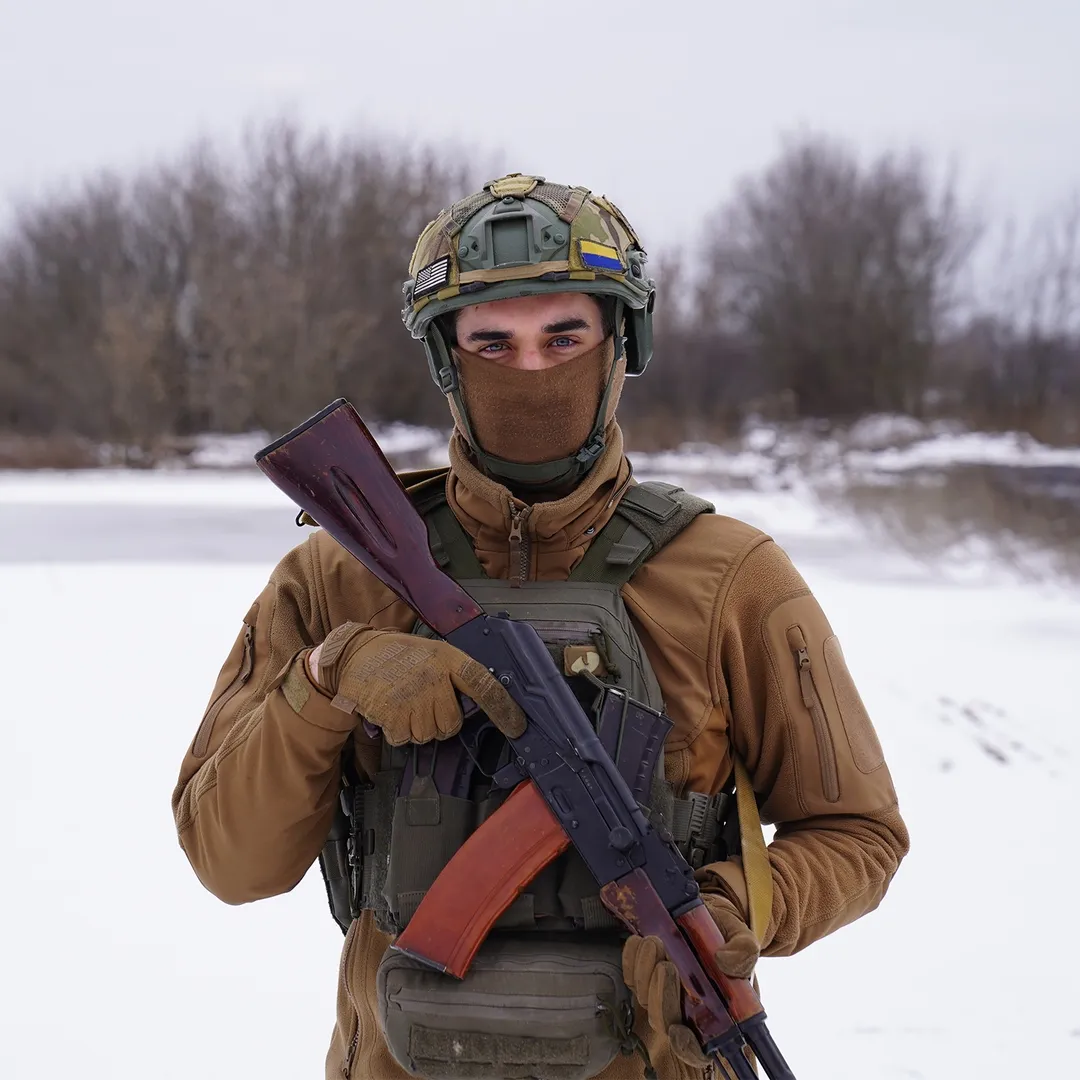
25-year-old warrior on the call sign Gera - the commander of the branch of anti-aircraft unmanned aircraft systems in the anti-aircraft missile and artillery battalion of the brigade "Spartan". His military path began even before the full-scale invasion - in 2021 he went to serve in the National Guard of Ukraine. And during the full-scale war signed a contract. Hera served as an anti-aircraft gunner of a portable anti-aircraft missile system. At first he defended Kharkov, then Bakhmut, then fought on the Kharkov and Zaporozhye directions. Most of all the warriors were remembered the hell's street fights for Bakhmut. It was extremely difficult. But the hardest thing in the war is to lose brothers. "Not everyone can stand it," says Hera. In 2024, the national guard decided to change the direction of service - became interested in unmanned systems. He received training, and during combat work he gained experience and mastered a new business. Now the younger Sergeant Hera - the commander of the crew, "hunting" on enemy drones. "Our crew of FPV interceptor drones "FALCON" for the first time shot down the enemy UAV "Orlan-10" at the end of December 2024 in the Zaporozhye direction. A sort of New Year's "gift" for the occupiers, — recalls the warrior. — Russian drone conducted reconnaissance of our artillery positions and places of concentration of troops. Its value is about 100 thousand dollars". Of course, this was the result of long months of training, work on bugs, exchange of experience with colleagues and coordinated interaction of the entire battery. "In January 2025, the occupier received again from us "gift" - this time were destroyed two enemy reconnaissance drones Supercam S350, each worth more than 200 thousand dollars," - says about the combat work of the commander of the branch of anti-aircraft UAV. In February 2025, his brigade moved to the Pokrovsky direction. The conditions here are different, so UAV pilots had to adapt. There were technical difficulties, but they quickly overcome them and continued to perform combat missions. "So the work is interesting and not easy, but it's definitely my element!" - admits Gera. The family adds strength to fight further: his wife and daughter, who is only three months old. They, like parents, are the support of the warrior, those wings that hold the height. The guard comes from one of the cities, which is now occupied. There he was born and raised, where his past remained - his whole life. That's why Hera is sure that his home must be returned. In war, he grew up and forced. "Went to the army child - became a man," - smiling says guardsman. Learned to keep emotions under control. The battle path in the realities of the war has hardened the soul and body. Being a warrior's commander is not difficult, he knows how to gain trust and is sure: "You need to be simpler - and you will understand." However, Hera had moments when his hands were down. But he lifts them up, because he knows: "Only with your own hands you can return the house and drive the enemy out of our land."

Gera

Pumba

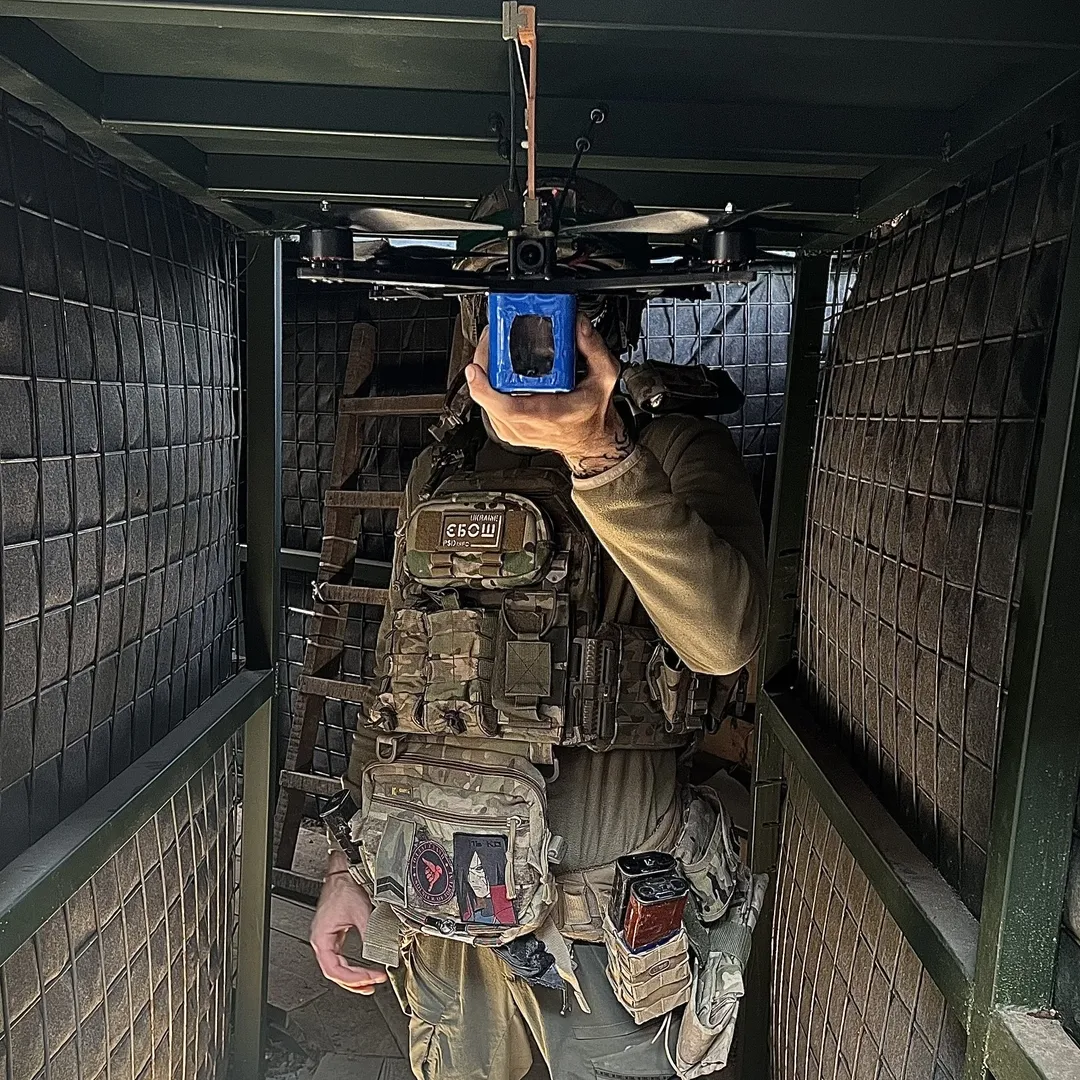
“Pumba” is an FPV drone pilot who began his service in the brigade as an infantryman. Beginning of Service At the start of the full-scale invasion, Pumba found himself under occupation in the Kupiansk district of the Kharkiv region, where he spent seven months. After Ukrainian forces liberated the territory from Russian troops, Pumba traveled to Kharkiv to enlist. He initially served in the infantry, but as warfare tactics evolved, he witnessed the rapid development of unmanned systems and decided he wanted to work with drones. According to Pumba, the command supported his initiative, and after completing training, he became a drone operator. He started with Mavic drones and later transitioned to FPV. Training Pumba notes that people who want to become FPV pilots can begin training on their own. Simulators are very useful for practice. Several options are available for Ukrainians: Liftoff, VelociDrone, Uncrashed, as well as specialized Ukrainian developments such as UFDS (Ukrainian Fight Drone Simulator), which replicate real combat conditions, electronic warfare, and navigation. “During training, the most important thing is to understand how to control the stick; over time, your handling improves,” Pumba emphasized. According to him, one month of training is enough to start working with FPV drones. However, there is a significant difference between training at a range and operating in real positions. Combat Operations The primary task of an FPV pilot is to eliminate Russian personnel and enemy equipment. According to Pumba, during a successful period, a crew can eliminate up to 40 Russian soldiers in four days. However, that is not the only responsibility. Another crucial task is supporting Ukrainian infantry — delivering water, food, and ammunition to positions. Drone operators also handle less typical missions. For example, escorting Russian soldiers who wish to surrender. Such cases do occur. Pumba notes that not everyone can become a successful FPV pilot. “We’re all different. Some people are not mentally prepared to carry out the tasks of an FPV pilot. Motivation also plays a big role. Those who joined in 2022 and 2023 had much higher motivation than many of those mobilized now. As for the Russians — we didn’t come to them with weapons; they came to us. So I don’t feel any sympathy for them,” Pumba emphasized. Speaking about the widely publicized Russian unit “Rubikon,” which the “Spartan” brigade encountered on the Pokrovsk axis, Pumba said that they can be successfully countered — but it requires personnel. “Right now, we lack motivated pilots. They have many crews and almost unlimited resources. We work just as professionally, sometimes even better, but the shortage of resources is noticeable — above all, people who are ready to carry out combat missions,” Pumba said. Mental Recovery Pumba says that communication with fellow soldiers helps him maintain his psychological state during the war. “The best thing for me is communication. Talking about how the shift went, what you saw. It’s important for me to talk with a fellow soldier who, like me, has been on positions and understands things from personal experience,” Pumba emphasized.

Pumba

Leva

A National Guard soldier with the call sign “Leva” — commander of the anti-tank missile platoon of the 1st operational battalion of the Spartan brigade — was a conscript and machine gunner with the rank of senior soldier at the start of the full-scale invasion. He recalls February 24, 2022, as follows: "That day, we quickly got equipped, received ammunition, prepared armored vehicles, and moved out to the ring road to ‘meet’ the enemy. We worked cohesively: the commanders set clear tasks, and we carried them out. Together with the 92nd Separate Mechanized Brigade, we destroyed enemy columns moving towards Kharkiv. Then we recaptured a school in the city that had been occupied by the enemy, and after that we headed towards Derhachi. The brigade played an important role in the defense of Kharkiv — we put up a worthy resistance to the enemy.” I joined the brigade at the age of 18, and it has given me a lot in terms of development and growth. Together with Spartan, I went through all the hottest sections of the front line, and now, as part of a fire support company, I am destroying the enemy in the Pokrovsk direction. We are showing good results, although it has become more difficult to fight, because the enemy is also developing and actively using UAVs. As in 2022, we understand now that we must defend our country so that it remains free and the enemy does not come into our homes. My dream is for all my brothers-in-arms to return home unharmed, to be able to rebuild the country, improve our army, and make it even stronger," said Lev.

Leva

Cruzac

Sergeant Major Kruzak did not plan to liaise with the army. However, eight months of military service changed everything - in 2019 he signed a contract with the National Guard of Ukraine. At the beginning of a full-scale invasion he served in the part of the NGU in Cherkassy. But, as the warrior himself says, "I am tired of sitting," so he began to write reports. So he got to the front, where he went from the shooter to the squad commander. Today Krusak is an aviation technician of a platoon of strike unmanned complexes of special purpose. In the summer of 2023 he performed combat missions in the Zaporozhye direction - took part in the counterattack near Robotyne. It was there that he began to work with drones. There was a lot of work, there were not enough crews. It was one of the most difficult areas at the time. Subsequently, Kruzak fought in the Kharkiv region, now - near Pokrovsk. Here, the occupiers are actively using guided bombs. Along with his crew during combat work, there were also several arrivals, but, fortunately, was. "The most difficult thing is when the enemy prevents to do their job: to detect enemy UAVs and destroy them. This is a drone war. They inflict the greatest losses and cut logistics," says Kruzak. Currently, his unit is working to expand the crew and create FPV groups and teams to work with heavy attack drones such as "bombers". His older brother Krusak also managed to fight - after being wounded in the Pokrovsky direction, he was treated in the hospital for half a year. And at home, her sons are waiting for her mother. Very worried. So Krusak calls her as soon as he can. "I was not going to serve. I wanted to live like everyone else: grow, develop, travel. But the war changed values, - the warrior shares. - The most expensive are people nearby, those who will lift their shoulders. Their hardest to lose." The National Guard admits that during the war he rethought many relations. Some former friends are now abroad and live their lives. It hurts. "To all those in the rear, I want to say: it is necessary to gather and think not only about their own needs, but also about victory. We need motivated, trained people. Only then will we be able to expel the enemy from the Ukrainian land," said Kruzak. His war - like many courageous, few-word national guardsmen who are not looking for fame - continues. Every day. Every minute.

Cruzac

Cobra

Danilo "Cobra" came to the army in 2020 — to serve in the brigade "Spartan". When Russia began a full-scale invasion on February 24, 2022, it was a month and a half before its completion. Since the first days of the war, the 19-year-old National Guard defended Kharkiv as part of the Eastern Territorial Department of the NGU, then — kept the defense of the airport. After signing the contract, he got into the company of the Special Forces Intelligence. He started as a gunner operator, but with his brother quickly mastered the American automatic grenade launcher MK-19 and became a grenade launcher. Later — combat medic: after dozens of evacuations under fire. Now Daniel — sanitary instructor to revive. He has an invaluable combat experience and passes it on to others: he trains his fellow soldiers to assist, to evacuate the wounded, to act under fire. He takes the wounded from "zero" on armored vehicles, accompanies them to stabilization stations, monitors sanitary conditions in the unit, saves lives in the most difficult circumstances. Although in a peaceful life the medic was not, the war changed his path. He understood: the most important — to save lives. Danylo remembers the evacuation near Bakhmut: the wounded were taken out with open shot roads. Once carried "three hundred" in the blanket — under fire, in front of the enemy. Another time, when they took the "two hundred", Daniel saw that one fighter was breathing! He was alive—with a traumatic amputation of his hand. The medic gave the wounded help and saved his life. During the 2023 counterattack, Danylo and his fellow soldiers saved eight. There were times when their technique was interrupted, but the "Cobra" had no choice - he ran miles under fire to get to his brothers. He took out from under the rubble, led the evacuation through the minefield. His stepfather, a fighter of the 57th Brigade, was killed near Bakhmut. Daniel arrived there in those days. "It was my mission," he says. Now I went into battle for two ". "Cobra" is not afraid of assault — went to them more than once: under Bakhmut, during the counterattack, on the most difficult directions. He worked with MK-19, taught others, was in position as a gunner and commander. He says: "The most important — with whom you go into battle. If reliable people are around — even the most difficult task does not seem terrible." He has — more than ten contusions, most treated on positions. I didn't want to leave my behind. Senior instructor says: he had to provide assistance and captured Russians. "I bind up, I watch, that the wounds do not rot. For myself I perceive it as experience and training of the exchange Fund", — says the Junior sergeant. It seeks development even in war. The experience gained next to the military doctors at the stabpoints, where the day was held to fifty wounded, finds priceless. At the age of 19, he received a summons — and since then in the NMU. He's 23 now. He went through assaults and evacuations, lost his fellow soldiers and saved dozens of lives. Danil's house is where her mother and her girlfriend are waiting. And he continues to save, teach, support. After the victory dreams to continue the service and pass on their experience. Because war has taught him the main thing: life — is not just a breath. Life — this is action. And even under fire, in the midst of pain, he does everything so that another heart does not stop.

Cobra

Khotabych

Spartan Brigade fighter Yurii, callsign “Khotabych,” is 29 years old. He is originally from Kryvyi Rih, where he witnessed the beginning of the full-scale invasion. Over more than four years of service, he has carried out various combat missions: he served in a mobile fire group hunting down Shahed drones and missiles, later fought in the infantry, and is now mastering UAV operations. Khotabych transferred to the Spartan Brigade in September 2025. It was there that he became an infantryman. How an Infantryman Endures Khotabych has gone through a wide range of combat missions and knows well what helps an infantryman endure in war. He speaks from personal experience about trust between brothers-in-arms, the strength of the infantry, and the things that save lives on the front line. “First of all, an infantryman must be mentally resilient. I went on missions as a group leader, so I know that the survival of the entire group depends on the resilience of every single fighter. During combat operations, there is no room for panic or freezing up — we work calmly and support one another,” Yurii noted. He emphasizes that it is important for infantrymen to support each other, as they say, to lend a brotherly shoulder, because in the trenches you are family and must help one another. “Physical endurance is also essential. When we head to a position, we carry an average of 18 kilograms on us: body armor, a helmet, weapons, a backpack with ammunition, supplies, and spare clothes. With all of this, we have to walk several kilometers, sometimes run, and at times lie low and wait it out. Sometimes for several days,” Khotabych explains. In modern warfare, it would be incredibly difficult for infantry units without the support of drone operators. “The ‘birds’ accompany us, scout ahead to detect possible enemy ambushes and warn us about them, and they are also the first to strike the enemy. Right now, our drones eliminate Russian infantry a kilometer away from our positions. And of course, there is logistics: they drop off supplies and little ‘care packages’ on request — power banks, sweets, medicine, cigarettes,” the soldier emphasizes. About Motivation Khotabych recalls that in 2022–2023 there was intense close combat, when you would go “man against man,” whereas now it has become a war of technologies. “But we’re not fools either, and we know how to fight. That’s why we came back from the mission, while the enemy was far less fortunate. We had one Russian soldier who signed a contract on February 7, and by the 19th, thanks to our work, he had become a ‘200,’” Yurii recalls. Khotabych also spoke about the small joys that help soldiers recover not only physically, but psychologically as well. The infantryman remembered that after one of the missions, all he wanted was a Fanta and a Snickers. “So as soon as the doctors examined us and gave us the okay, we went to the store for sweets. There’s a stereotype in society that infantry service is a one-way road. That’s not true. If you go into a mission with that mindset, nothing good will come of it. Whether you’re an infantryman, a UAV operator, or a mortar operator — focus on the job and think about the people you’ll return to. I always know that I have to come back to my wife, my daughters, and my parents. That is the main motivation,” the soldier emphasized.

Khotabych

March

Cardiac surgeon "March": our team saves lives every day. A year and a half ago, Anton "March" was a civil cardiac surgeon. Now he is a lieutenant of the medical service of the 3rd Operational Brigade "Spartan" named after Colonel Peter Bolbochan, who daily saves the lives of Ukrainian soldiers. In March 2025, the "March" received a presidential award - the medal "For Saving Life". About the mobilization to the brigade "Spartan" "March", who worked as a cardiac surgeon, came to the brigade "Spartan" in September 2023. "I finished my university, finished my military chair. From the first days of the full-scale invasion was in contact with the local CCC. For a while I continued to work, regularly doing medical examinations. And when it came time for another medical examination, I was told to mobilize. My friends advised the brigade "Spartan", which was just forming a medical company. I got the contact of our nachmeda, communicate with him, and I mobilized to the part," - said "March". About work at the stabpoint The main task of "Marcha" at the stabilization point is to conduct surgical operations to stop bleeding and restore organs in wounded soldiers. Speaking about the difference between working at the hospital and at the stabilization station, Anton notes limited work resources. "An environment that requires you to be mobile. You must provide full scope of medical care and be mobile at the same time. If there is a change in the military situation, you must quickly change your location. It leaves its mark in the sense that you have, with a minimum of equipment and equipment, to provide the most assistance. In this case, the wounded are often in very serious condition. Such patients are found in civil medicine," says "March". He emphasizes that a large amount of medical care must be provided in conditions of limited resources. We are talking about the required minimum of specialists and tools. "But with this you can work. We have developed, at that time and us, protocols of action for each situation. These protocols help to provide assistance to the wounded of any severity," - said "March". More training For a year and a half service "March" had to undergo additional training. In particular, he studied abroad in France. These trainings were dedicated to taximedo In addition, "March" told about several days of training in Lviv. This training was devoted to military surgery, in particular wound surgery, which is used at the stabilization station. "It was more like consolidating the knowledge that already exists, and sharing experiences with other people who are engaged in military surgery," - said "March". As for their own developments, the medic said that the team has a clear list of actions when changing the location. If you quickly need to decompose the stabilization point. "March" notes that the most difficult work in the previous link is to take the wounded from the battlefield and transfer to the stabpochta. "We have become accustomed to the heavy wounded. Work with us in anigenetic adjustment. Of course, we are saving the ones we're about to bring. And I always wish that we could save more. To do this, we need a person to be brought as soon as possible," the doctor says. Unique case Told "March" and about the unique cases of salvation of the people he witnessed. Recently, the soldier received multiple wounds. The most critical wound was in the inguinal area - in a place where a large artery and vein passes. This is the so-called nodal area, which can not be applied to the turnstile at the evacuation stages to stop bleeding. The only option to stop bleeding is to press on the wound with a fist and as soon as possible to tie this vessel. "We had a patient like that. He managed to stop this nodular bleeding. We used a special balloon that starts through the vessel, swells in the aorta, blocks the blood flow in the lower limb. Against the background of this blocked blood flow in half an hour, we pulled out the vessels, found, bandaged, which could be bandaged, stitched up, which could be sewn up," says the statement "March". He noted that at the time of getting the wounded on the camp site, he lost three liters and without help would have died. But he managed to stabilize, stop bleeding and send to the next stage - to resuscitation to the city hospital. I remembered the "March" and cases when I had to do a direct massage of the heart and stop bleeding within the left half of the thorax. Presidential Award This year, "March" received a presidential award - the medal "For Saving Life". According to him, this is an award for daily teamwork. "When we work actively, we can have 1,000-1,500 wounded in a month. Of these, about 10 percent are heavy. This is every change of severe patients who really save lives. Not just help in the treatment of wounds, pain relief. In fact, they are assisted, without which they can die. I think that this is more teamwork and reward for the entire amount of work that we provide every day," the "March" said.

March

David

Oleh "David" joined the military back in 2015 for his mandatory service. That army quickly became his conscious choice: he soon signed a contract and in 2017 found himself in the east, near Avdiivka, as part of the 72nd Separate Mechanized Brigade. At that time, heavy fighting was ongoing there against the "Somalia" battalion, which was commanded by the infamous Givi. A fighter with the call sign tells how he received his first lesson in war in the ATO zone. He still remembers that combat operation in detail. Together with their commander, Vasyl Tarasyuk (now a Hero of Ukraine), they stopped an enemy tank near Yasynuvata – on the road to Donetsk Airport. David was a grenadier. By the time his shot stopped the enemy vehicle, the tank had managed to turn its gun and fire. The explosion threw him back, and he suffered a severe concussion. The commander sustained a severe head injury. But they were saved – their comrades pulled them out. After his contract ended, David tried to live a normal life. He went abroad and worked at the Samsung factory in Hungary. On February 22, 2022, the Korean leadership told employees, "You will have a war, our diplomats are leaving." And two days later, Russia attacked. Oleg couldn't stay out of it. By February 28th, he was on his way home, and on March 7th, he was back in the army. He served in the 28th Separate Mechanized Brigade named after the Knights of the Winter Campaign – initially in the Kherson region, and later in the Donetsk region. Fighting in the Kherson region continued almost non-stop, and one day their position was hit by "Grads." David sustained a head injury from shrapnel, an arm injury, and another concussion. But after treatment, he returned to the front. In January 2025, he joined the ranks of the National Guard. He initially served in a unit in Kirovohrad, and later in the 3rd Brigade of Operational Purpose of the National Guard of Ukraine "Spartan". He is a senior soldier, a machine gunner in the special forces reconnaissance company. Regarding his service in the National Guard, he says he likes being in this formation because there is cohesion, good organization, air cover, and constant communication with commanders. This is motivating, even when it's very difficult. After one of the enemy attacks, while in position, the National Guard soldier was able to organize the scattered forces, gather the guys, and create an infantry group. Together with his comrades, he pulled soldiers from under the rubble – back then, it was difficult even to understand where to look for survivors. In one of the recent attacks, a drone hit a cellar where the fighters were hiding. Under the crosshairs of enemy FPV drones, we searched for and dug out the guys. Two people were rescued. "Two people suffocated," says David, and admits, "Losing people in war is the hardest thing. It's not going anywhere. You're keeping it to yourself. You convince yourself that they are now our guardian angels. On May 8, 2025, the National Guard soldier turned 31 years old. He celebrated right on the position – together with his fellow sniper, whose birthday is on the 9th. At home, the brave defender is awaited by his mother, brother, and girlfriend. For them, it's sincere short voice messages and life-saving pluses in messages. Before the war, the fighter worked in the repair field. Now he admits: he's already forgotten what it's like not to be at war. I want to rest, but when I do, I'm drawn back to my own people. Defending Ukraine is my male duty. Wherever you run, you can't escape yourself. "And you won't find another home," the National Guard soldier says confidently.

David

Frequently Asked Questions

All questions

Structure of the Spartan Brigade

Spartan consists of the following divisions:
1st Operational Battalion
1st Operational Battalion

2nd Operational Battalion
2nd Operational Battalion

3 Operational Battalion
3 Operational Battalion
Communications Center
Communications Center

Electronic Warfare Company
Electronic Warfare Company

Medical Сompany
Medical Сompany

Motor Transport Battalion
Motor Transport Battalion

Rifle Battalion
Rifle Battalion

Rocket Artillery Battery
Rocket Artillery Battery

Special Purpose Reconnaissance Company
Special Purpose Reconnaissance Company

Special Purpose Sniper Company

Special Purpose Sniper Company

Support Battalion
Support Battalion

Tank Company

Tank Company